
Is a 32kWh Home Battery Worth It? The Real Cost of Energy Independence
Meta Description: Considering a 32kWh home battery for solar storage or backup power? This in-depth guide breaks down LiFePO4 technology, true long-term costs, and smart buying tips to maximize your investment in home energy independence.
Have you been scrolling through videos of homes effortlessly powering through blackouts with a giant battery and wondered: is that a glimpse of the future, or just a very expensive gadget?
That 32kWh home battery system you’ve been eyeing represents a major step toward energy self-reliance. But with a significant price tag, it’s natural to ask: Is this a smart investment or an overhyped expense?
Let’s move past the technical jargon and marketing speak. Here’s a straightforward, honest look at what a large-capacity home battery truly offers, where its real value lies, and how to decide if it’s right for you.
Part 1: What Does 32kWh Actually Power? (The Practical Truth)
First, let’s demystify the capacity. 32 kilowatt-hours (kWh) is substantial. In practical terms, it could:
Keep essential loads (lights, fridge, Wi-Fi, some cooling) running for 24-48 hours during a grid outage.
Store a massive amount of excess solar energy from a large rooftop system.
Power a typical home’s evening and nighttime energy use after the sun goes down.
Who is it for?
Homeowners with large solar systems (typically 8kW+): It maximizes your self-consumption, letting you use your solar energy at night.
Those in areas with frequent outages: It’s a robust “power insurance” policy for essential comfort and safety.
People on time-of-use electricity rates: You can store cheap off-peak or solar energy to use during expensive peak hours.
Who might not need it?
If your energy usage is low, outages are rare, or your solar system is small, this capacity might be overkill. The good news? Many modern systems are modular, meaning you can start smaller and expand later.
Part 2: The Heart of the System: Why LiFePO4 is the Go-To Tech
The battery’s value isn’t just in its size, but in its core technology and intelligence.
1. Chemistry Class: LiFePO4 (Lithium Iron Phosphate) Wins
This isn’t the same lithium in your phone. LiFePO4 has become the standard for home storage for two key reasons:
Safety: Its chemical structure is inherently more stable and resistant to thermal runaway, making it a safer choice for your garage or basement.
Longevity: It boasts a far longer lifespan—often rated for 6,000+ charge cycles—meaning it can last 10-15 years with daily use, dwarfing older technologies.
2. The Brains: The Battery Management System (BMS)
A quality BMS is the silent guardian. It doesn’t just show the charge level; it:
Protects your investment by meticulously balancing cells and preventing damage from over-charge or deep discharge.
Enables smart control via Wi-Fi, allowing you to monitor performance, set schedules, and receive alerts from an app.
Optimizes efficiency to ensure you get the most out of every kilowatt-hour stored.
Part 3: The Real Math: Understanding “Total Cost of Ownership”
The sticker price is a shock. But the smarter metric is Total Cost of Ownership (TCO) over 10-15 years.
Let’s compare to the old standard: Lead-Acid Batteries.
You might pay 3x more upfront for LiFePO4. But lead-acid batteries last only 3-5 years, require maintenance, and you can only use about 50% of their rated capacity without damaging them. Over 15 years, you’d buy 3-5 sets of lead-acid batteries, making the long-term cost and hassle much higher.
The LiFePO4 value proposition is in:
Zero maintenance: Install it and forget it.
High efficiency: Over 95% of the energy you put in is available to use.
Deep, safe cycling: You can regularly use 90%+ of its capacity.
Long warranty: Reputable units often come with 10-year warranties.
You’re paying more initially for decades of reliable, worry-free service.
Part 4: It’s a System, Not a Toy: Key Integration Points
The battery doesn’t work alone. Its success depends on seamless integration.
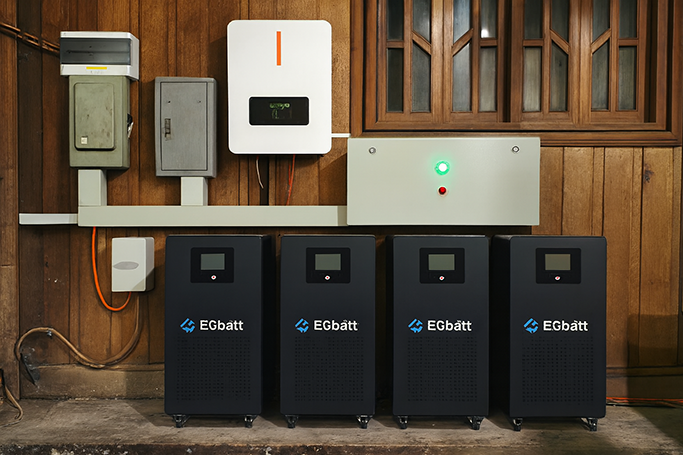
Inverter Compatibility: This is critical. Your battery must communicate flawlessly with your solar inverter (hybrid or battery-ready). Ensure they are certified to work together, or consider an integrated “AC-coupled” system.
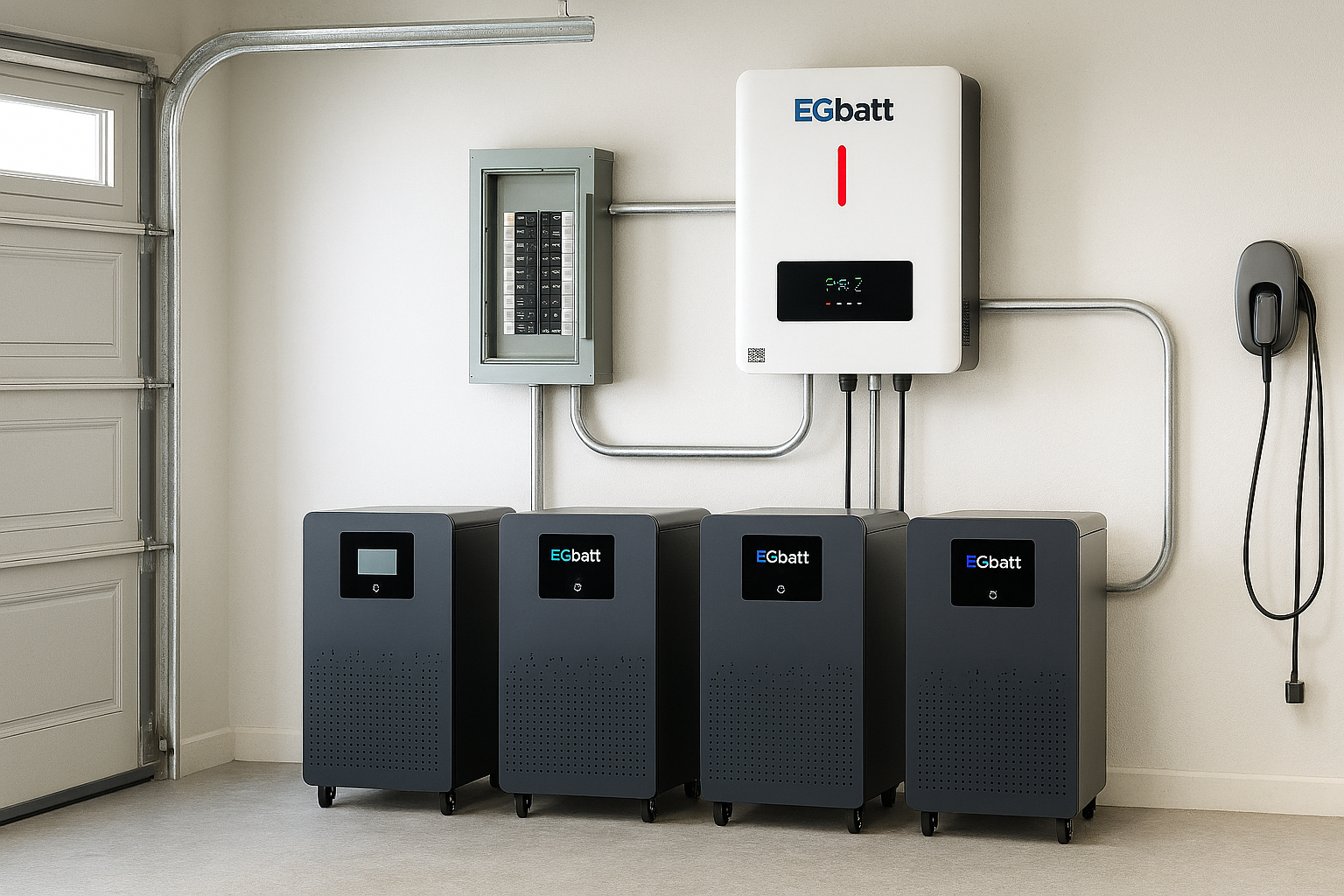
Professional Installation & Safety: A 32kWh battery is heavy (500+ lbs) and requires a permitted, professional installation. Proper ventilation, mounting, and electrical integration are non-negotiable for safety and performance.
Future-Proofing: Can the system be expanded later? Does it have grid-service capabilities (like providing backup power or supporting the grid during peak demand)?
Conclusion: Making Your Decision
So, is it worth it? The answer depends entirely on your personal energy profile and goals.
Strong “Yes” if: You have high electricity bills, unstable grid power, a large solar array, and want long-term control over your energy costs and security.
Consider Starting Smaller if: Your needs are modest, or you want to test the waters with a scalable system.
Investing in a home battery is ultimately an investment in resilience, independence, and a sustainable household. By focusing on technology, total lifetime cost, and system compatibility, you can move beyond the hype and make a powerful decision for your home’s future.

Leave A Comment