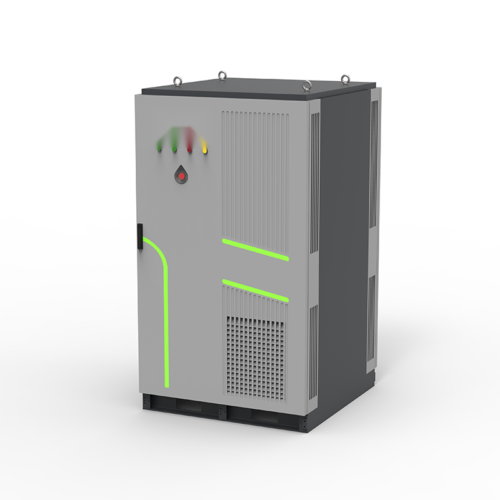
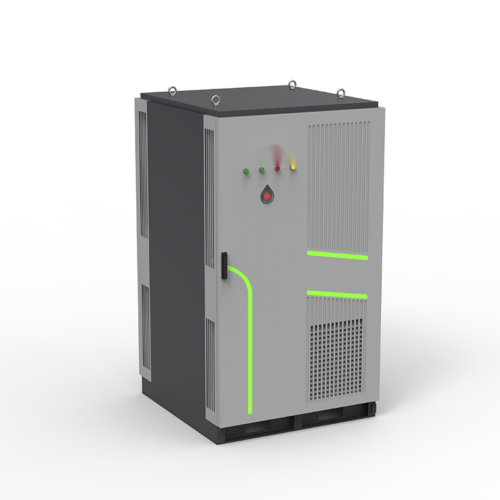
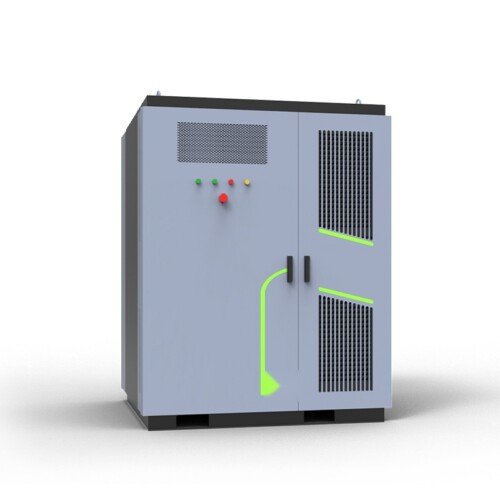
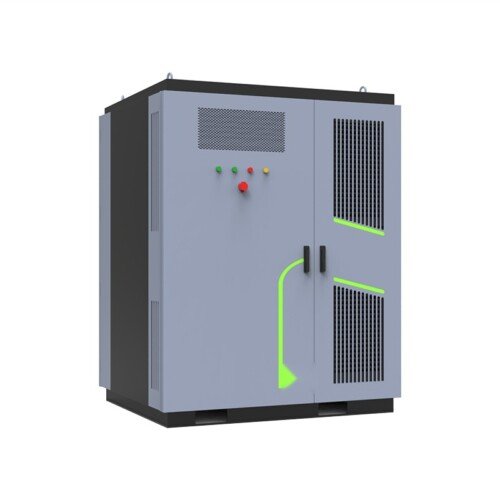
Commercial & industrial BESS from OSM Battery: 30kW-500kW containerized and cabinet energy storage systems with LiFePO4 cells, PCS and EMS integration for peak shaving, solar self-consumption and backup power.
OSM Battery supplies commercial and industrial BESS from wall-mounted cabinets up to multi-megawatt containerised systems, built on LiFePO4 at 512V, 768V and 832V DC. Each system pairs battery modules with an integrated power conversion system for peak shaving, demand charge reduction and backup duty, supplied on OEM, ODM and wholesale terms.
What a C&I BESS Is and Where It Fits
A commercial and industrial BESS (battery energy storage system) pairs LiFePO4 battery modules with a power conversion system and controller so a site can move energy in time — charging on cheap or surplus supply and discharging during expensive or absent supply. On a commercial tariff the payback normally comes from three places: peak shaving, demand charge reduction, and avoiding lost production during an outage.
The sizing decision that selects the hardware is kW versus kWh. The power conversion system sets how fast the site can charge or discharge; the battery sets how long it can hold that rate. A 100kW converter on a pack of this class runs for roughly two hours at full rate, or a lower average load for longer.
C&I BESS Formats and Their Typical Energy Class
| Format | Energy class | DC voltage family | Integrated power | Site fit |
|---|---|---|---|---|
| Wall-mount cabinet | ~60kWh | LiFePO4 | — | Indoor plant room, no external footprint |
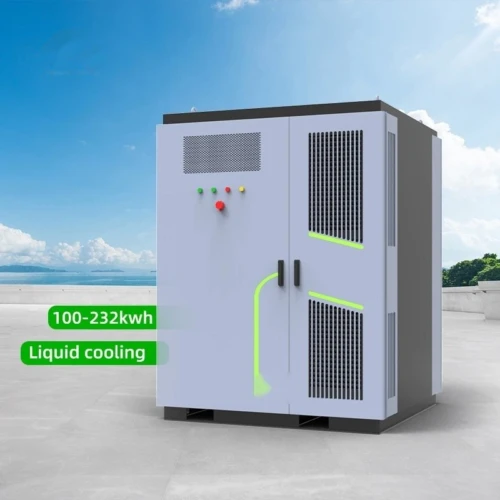
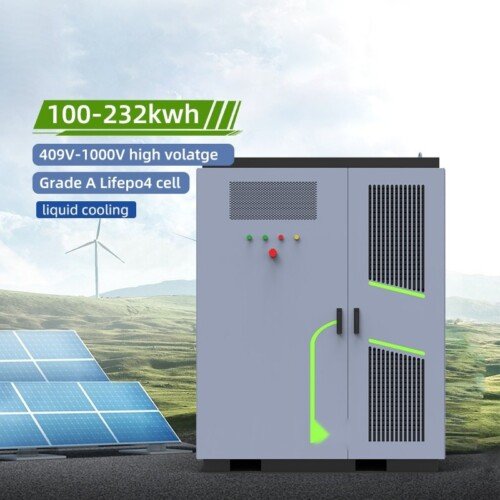
| Outdoor cabinet | ~200kWh class | 768V | 100kW | Outdoor yard with no building available |
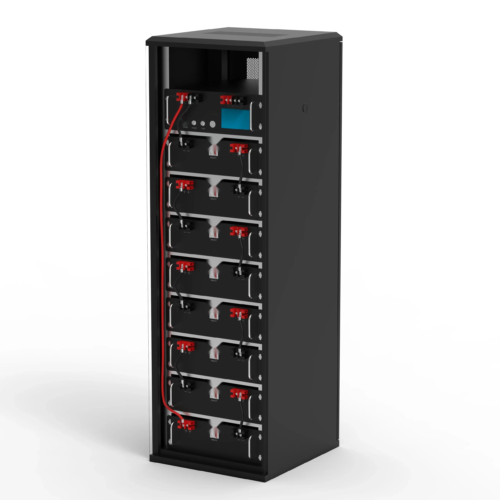
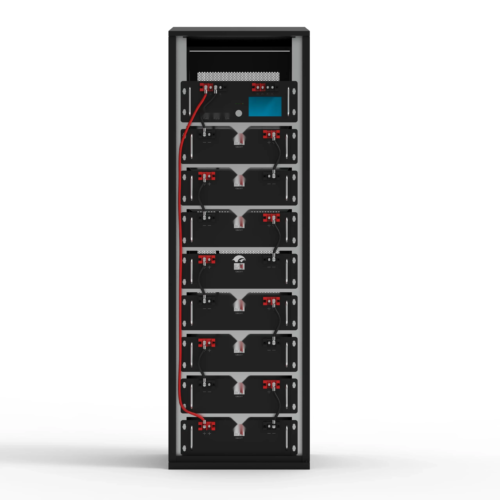
| All-in-one stackable | 160–260kWh | 512V / 832V | 50–125kW | Multi-storey or rooftop where a crane is impractical |
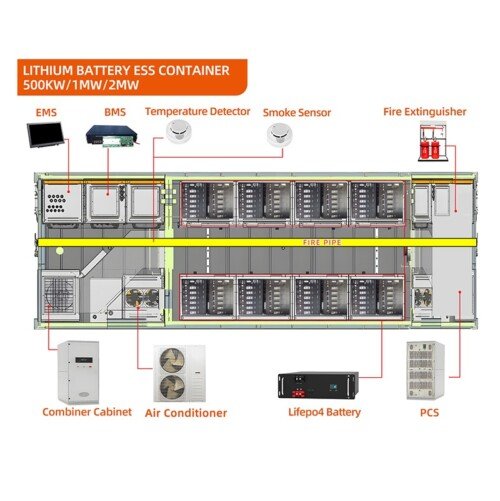
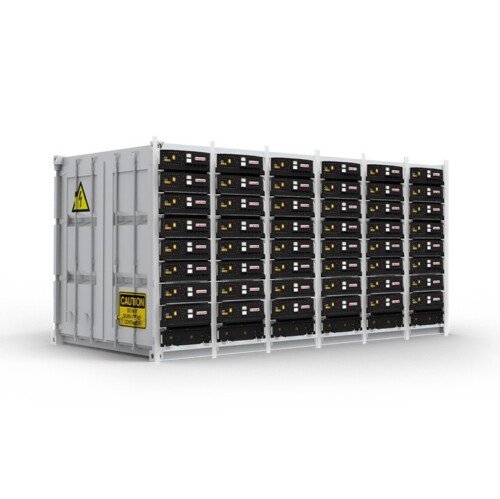
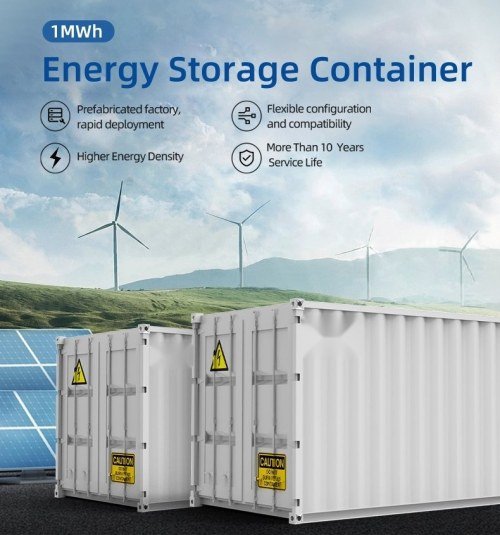
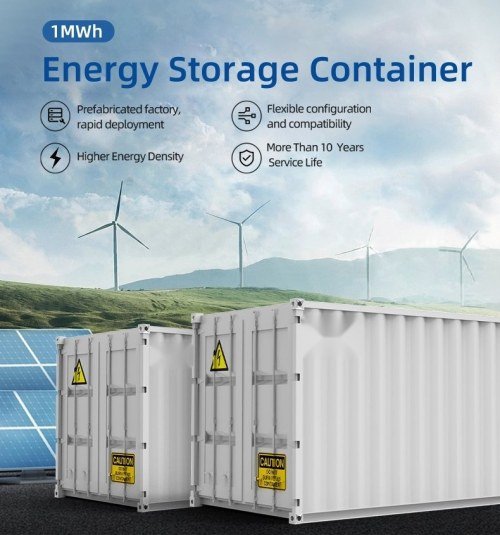
| Containerised | 1–5MWh | LiFePO4 | — | Utility-scale and multi-MW campus sites |
Exact string configurations are specified per product rather than per format, because enclosure, PCS rating and string count are chosen together. The outdoor cabinet class, for example, is documented on its own page: 215kWh 768V outdoor cabinet BESS. The stackable and container classes are specified on the 512V 160kWh all-in-one system, the 832V 261kWh all-in-one system and the 5MWh containerised BESS pages.
ESS vs BESS — What the Difference Actually Is
ESS is the generic term: any system that stores electrical energy, from a phone power bank upward. BESS is the subset that uses batteries specifically, as distinct from thermal, pumped-hydro or mechanical storage. In commercial procurement the two are used interchangeably for the same equipment, and the industry shorthand for the commercial and industrial class is C&I ESS or C&I BESS.
The distinction matters in one practical place: a specification that says “ESS” without naming the storage medium can legitimately be filled by a non-battery technology, so tender documents for battery systems should state BESS and name LiFePO4 as the chemistry.
Cabinet or Container — Selecting the Format
| Site condition | Format to select | Reason |
|---|---|---|
| Indoor plant room, wall space available | Wall-mount cabinet | No external footprint required |
| Outdoor yard, no building available | Outdoor cabinet | Weatherproof enclosure with integrated PCS |
| Multi-storey or rooftop, crane impractical | All-in-one stackable | Delivered in modules under 2 tonnes each |
| Utility-scale or multi-MW campus | Containerised | Lower cost per kWh at that scale |
OEM, ODM and Wholesale Supply
C&I BESS units are supplied on OEM and ODM terms to EPC contractors, energy service companies and distributors. ODM scope covers battery string configuration, PCS power rating, enclosure dimensions, thermal management and the site controller protocol, so the system matches the grid code and monitoring platform already in use at the site. Quotations are per project rather than per unit because enclosure, PCS rating and string count are specified together.
Frequently Asked Questions
What is the difference between ESS and BESS?
ESS covers any electrical energy storage, including thermal and mechanical methods. BESS is the battery-specific subset, so a battery energy storage system is always an ESS but not every ESS is a BESS. Commercial tenders should specify BESS and name LiFePO4 to prevent non-battery substitution.
What size commercial BESS do I need for a 100kW load?
A 100kW power conversion system with a battery in the 200kWh class covers a 100kW load for about two hours. Final sizing follows the site load profile: the PCS rating sets the power, the battery capacity sets the duration, and peak shaving targets are set by the tariff.
How much does a commercial BESS weigh and what foundation is needed?
Weight scales with energy. An all-in-one stackable cabinet in the 160kWh class stays under 1.65 tonnes, while containerised systems reach tens of tonnes and need a concrete pad plus crane or heavy-haul access.
Do you supply C&I BESS on OEM and ODM terms?
Yes. OSM Battery supplies commercial and industrial BESS on OEM and ODM terms for EPC contractors and energy service companies, covering battery string configuration, PCS rating, enclosure design, thermal management and site controller protocol, quoted per project.