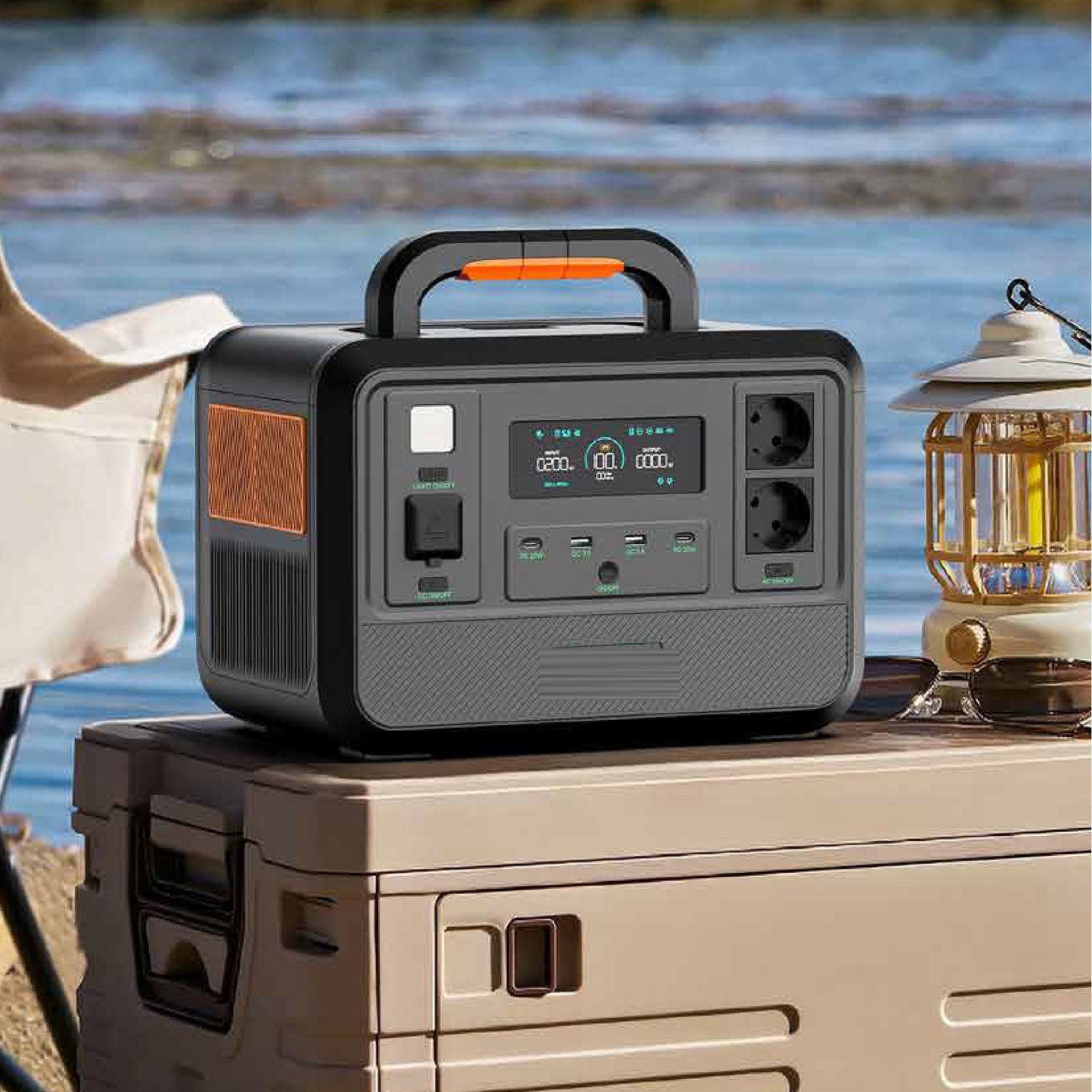
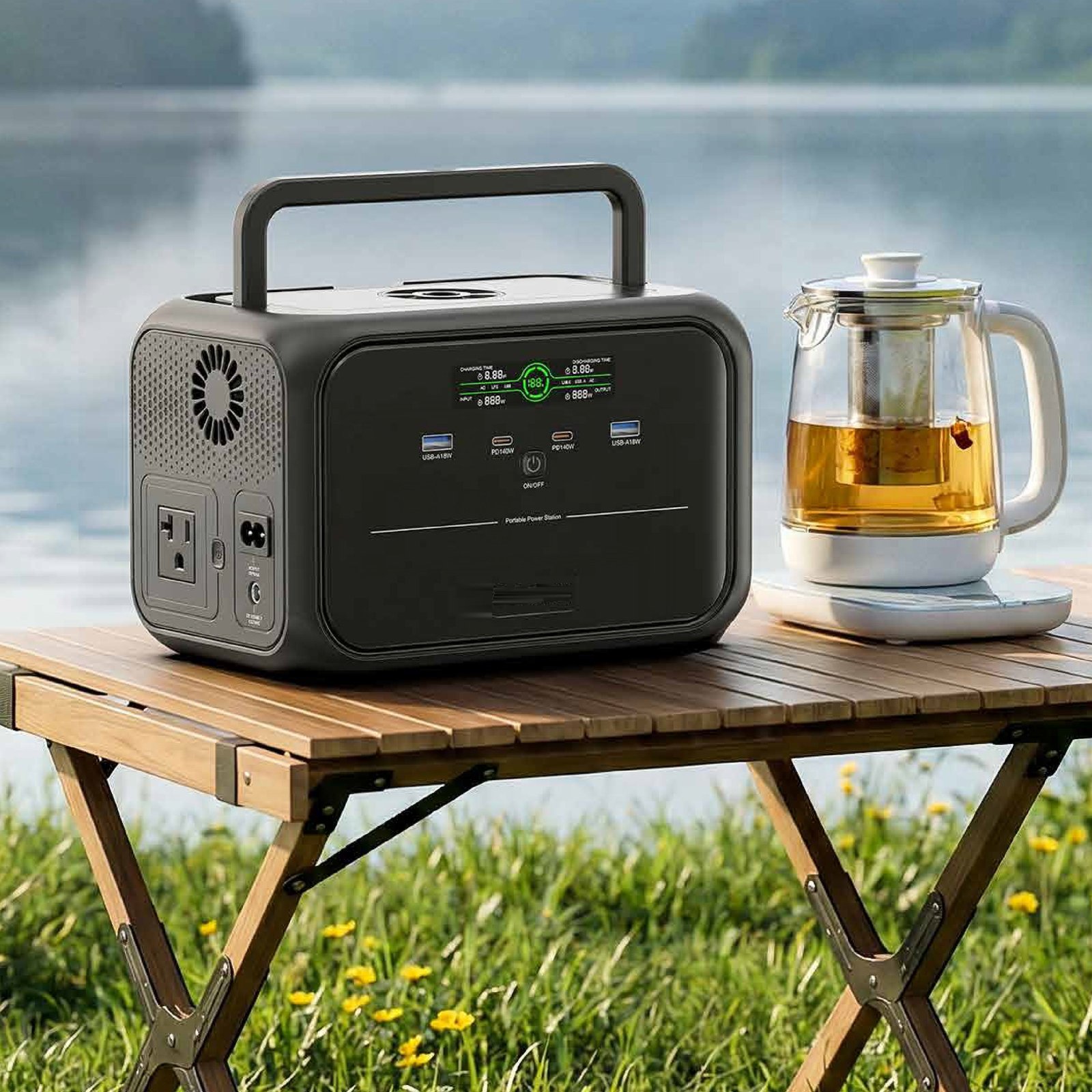
Portable Power Station OEM Manufacturer | 768Wh-3840Wh LiFePO4
Portable Power Station OEM Manufacturer | 768Wh-3840Wh LiFePO4
OEM & ODM portable power stations built on LiFePO4 — 288 Wh to 3840 Wh, 300 W to 3600 W AC output, sub-20 ms UPS transfer. We manufacture the LFP32135 prismatic cells ourselves, so cell supply, pack assembly and BMS configuration stay inside one factory instead of three.
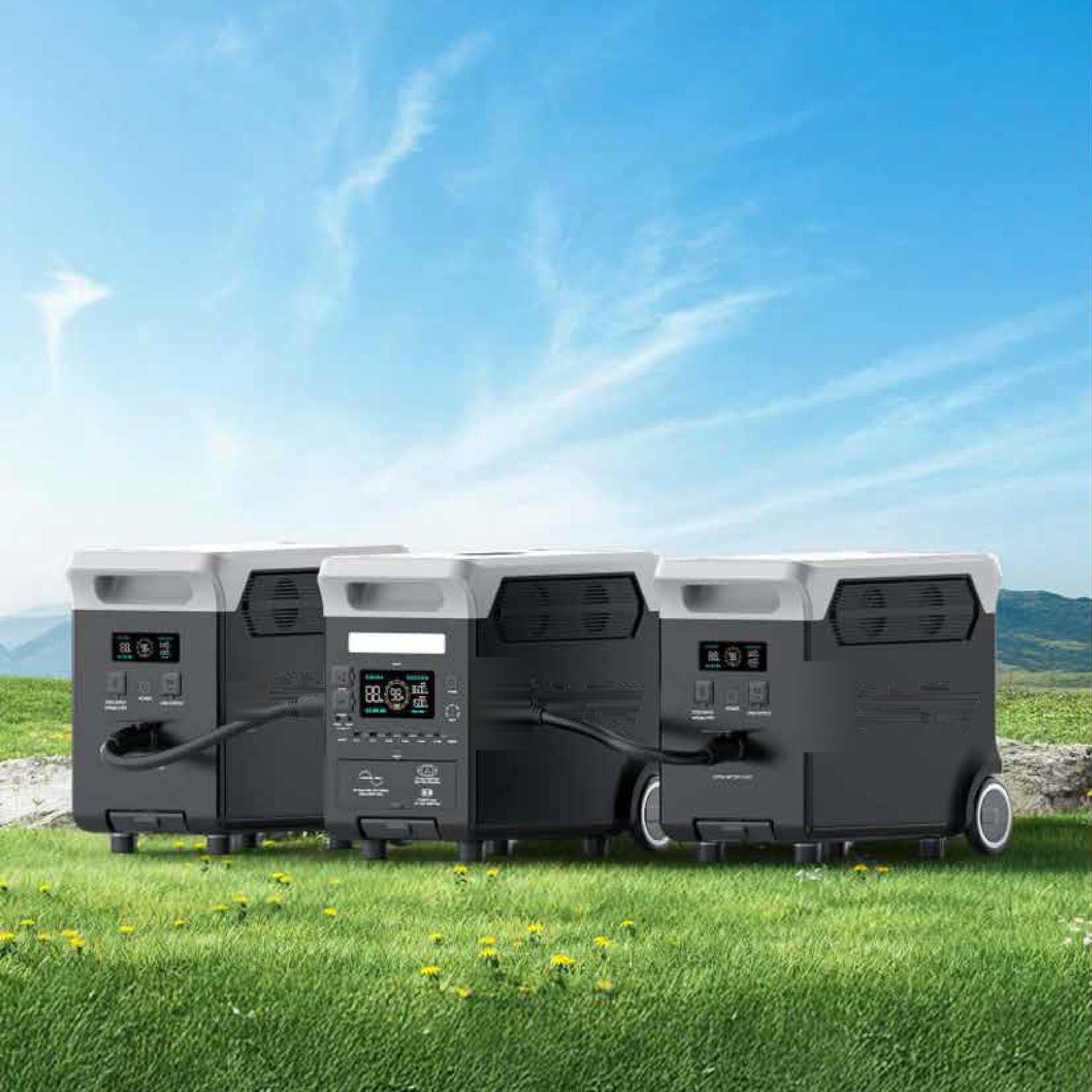
10 platforms, one cell type — 768 Wh Q1200 to 3840 Wh Q3600, expandable with add-on battery modules
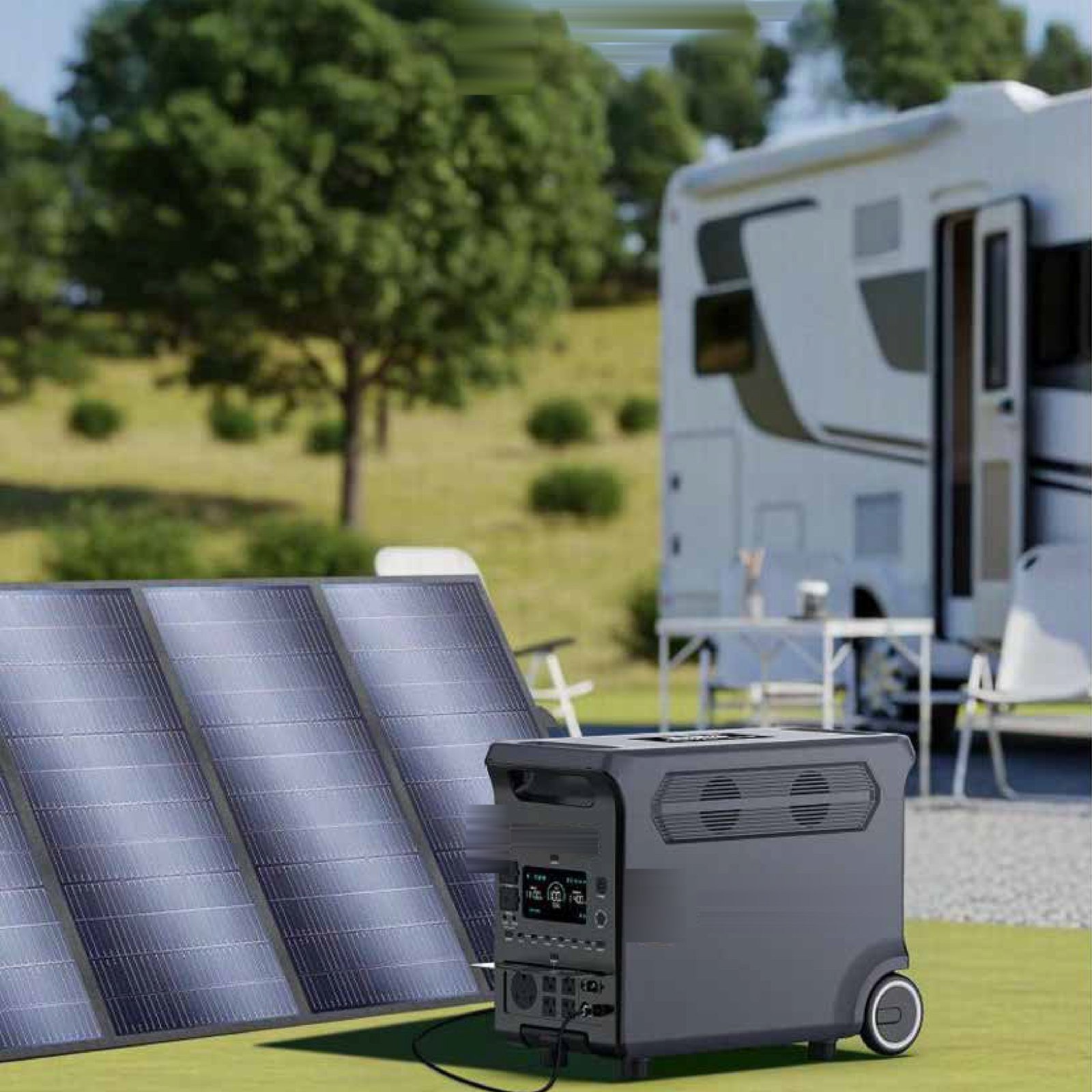
2000 W MPPT solar input (12-160 V DC), with PV priority on the compact models
CE, FCC, RoHS, PSE, UN38.3, MSDS and UN packing documentation on every platform
Your logo, housing colour, packaging, port layout and App on OEM and ODM projects
Export-ready data — 176 pcs per 20 ft and 356 pcs per 40 ft on the 3600 W platform
Send your target market and annual volume for a factory-direct quote.
Portable power station OEM & ODM manufacturing: overview
OSM Battery builds portable power stations for other people’s brands. The platform runs from a 288 Wh hand-carry unit up to a 3840 Wh wheeled station with 3600 W AC output, and it is built around LiFePO4 (LFP) prismatic cells rather than the NMC pouch cells used in most consumer units. Because we already manufacture the 3.2 V LiFePO4 cells that go inside, the cell supply, the pack assembly and the BMS configuration sit in one place instead of three.
This page is written for wholesale buyers, importers and brand owners: the model ladder, the full flagship specification, the OEM service scope and the export logistics data are all published below rather than hidden behind a datasheet request. If you only need a price, request a quote and tell us your target market and annual volume.
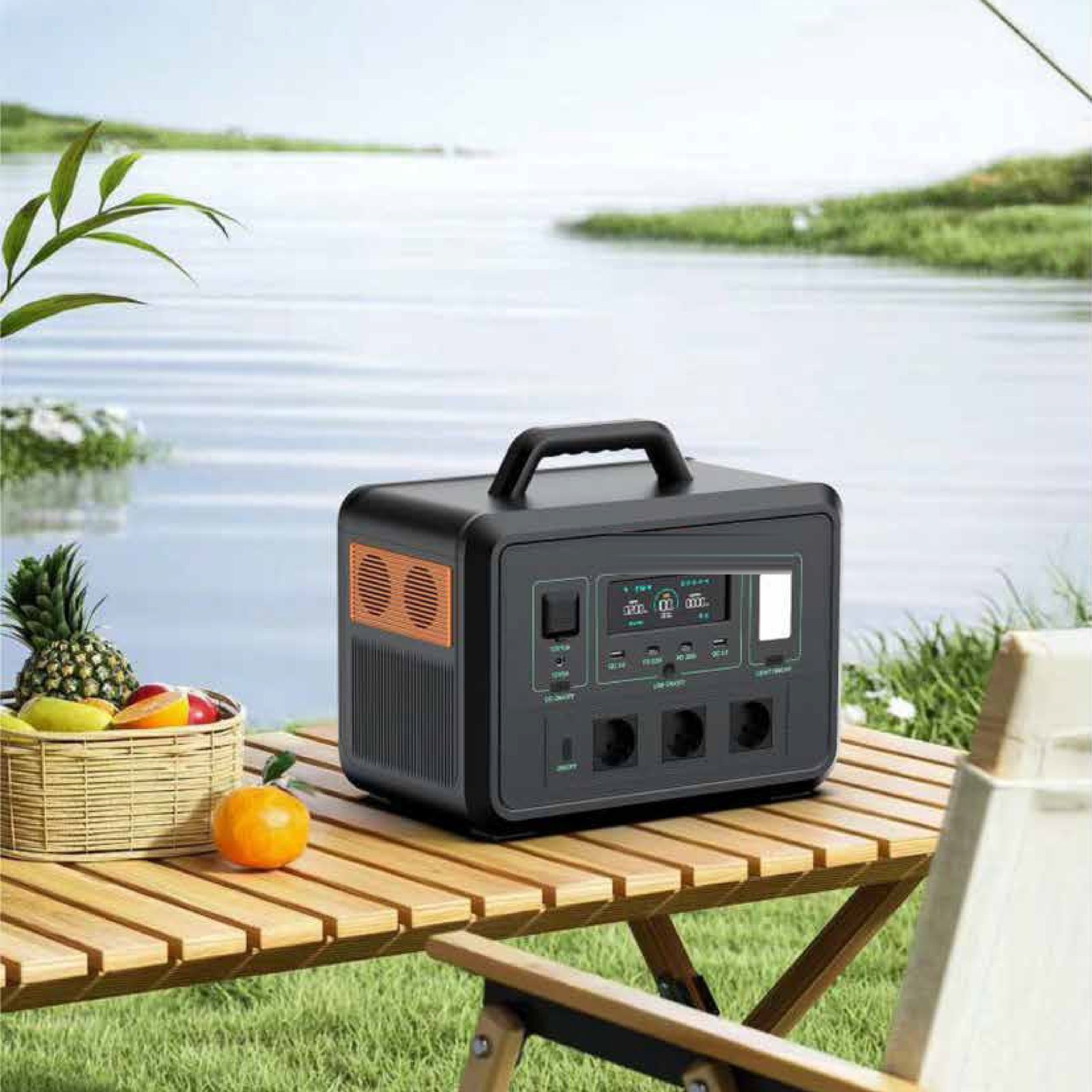
Typical buyers: RV and camper van brands, outdoor and camping retailers, emergency and standby power distributors, telecom and instrumentation integrators, and OEM customers who need the station re-badged, re-packaged and re-certified for their own market.
Specification sheet reviewed 30 September 2026. Capacity, dimensions and loading figures below are manufacturer-published values for the current production configuration; MOQ, lead time and pricing are quoted per project.
Model range: 288 Wh to 3840 Wh, 300 W to 3600 W
Ten platforms share one cell type and one BMS protection family. The differences are the inverter rating, the series/parallel cell count and the physical platform, which keeps the spare-part and service story simple for a distributor carrying more than one SKU.
Model (220-240 V AC)
Rated AC output
Energy
Cell configuration
AC charging (5 settings)
Solar / DC input
Net weight
Dimensions (mm)
Q3600 pro
3600 W sinusoidal
3840 Wh
16S5P
400 / 800 / 1200 / 1600 / 2200 W
XT90, 12-160 V DC, <18 A, MPPT max 2000 W
42.8 kg
608 x 292 x 456
Q3600
3600 W sinusoidal
3840 Wh
16S5P
400 / 800 / 1200 / 1600 / 2200 W
XT90, 12-160 V DC, <18 A, MPPT max 2000 W
42.2 kg
608 x 292 x 456
Q3000 (L / W)
3000 W sinusoidal
3072 Wh
16S4P
300 / 500 / 900 / 1200 / 1500 W
XT90, 12-160 V DC, <18 A, MPPT max 1500 W
38 kg
608 x 292 x 456
Q2400 pro / Q2400BP
2400 W sinusoidal
2160 Wh (base)
15S3P
300 / 500 / 700 / 900 / 1100 W
XT90, 12-48 V DC, <14 A, MPPT max 500 W
21.2 kg
391 x 285 x 319
Q2402M
2500 W sinusoidal
2304 Wh
16S3P
300 / 500 / 700 / 900 / 1100 W
XT90, 12-48 V DC, <14 A, MPPT max 500 W
21.6 kg
391 x 285 x 319
Q2501
2400 W sinusoidal
2160 Wh
15S3P
300 / 500 / 700 / 900 / 1100 W
XT90, 12-48 V DC, <14 A, MPPT max 500 W
20.9 kg
391 x 285 x 319
Q1800
1800 W sinusoidal
1152 Wh
12S2P
3 stages, set in the App
XT60, 12-60 V DC, <14 A; MPPT max 500 W
14 kg
370 x 220 x 308
Q1200
1200 W sinusoidal
768 Wh
16S1P
3 stages, set in the App
XT60, 12-60 V DC, <14 A; MPPT max 500 W
11.5 kg
340 x 210 x 230
Q300
300 W sinusoidal
288 Wh
6P1S
150 W max
DC5525 / MPPT, 12-30 V, 8.5 A (100 W max)
3 kg
206 x 122 x 134
Q100 power bank
—
96.2 Wh
—
Type-C3 100 W input
Solar 12-21 V (50 W max)
780 g
94 x 75 x 140
Inverter efficiency is rated above 88% on the Q3600, Q3000, Q2400 and Q2501 platforms and at or above 91% on the Q1800 and Q1200. Working temperature range is -10 °C to 45 °C across the range, with a charging temperature window of 0-50 °C and noise below 40 dB on every station from the Q1200 up — a number that matters when the unit sits inside a camper van or under a desk.
Flagship platform: 3600 W AC output with 3840 Wh LiFePO4 storage
The 3600 W / 3840 Wh model is where most OEM programmes start, because it is the smallest platform that can genuinely run high-draw appliances from a battery. The full specification is published here.
AC output and inverter
Output voltage
220-240 V AC
Rated output power
3600 W sinusoidal wave
Frequency
50 Hz / 60 Hz
Inverter efficiency
> 88%
Short-circuit protection
Auto shut-off when over-current occurs, manual recovery
UPS function
220 V AC output, on loads below 2500 W, transfer time < 20 ms
Battery
Cell type
LFP32135 prismatic, 15 Ah per cell
Battery capacity
3840 Wh
Cell combination
16S5P (80 cells)
Normal charging temperature
0-50 °C
Charging
AC charging input
185-255 V AC, 47-63 Hz
AC charging power
5 adjustable steps: 400 W / 800 W / 1200 W / 1600 W / 2200 W
Solar / DC input (XT90)
12-160 V DC, current < 18 A, MPPT maximum charging power 2000 W
DC output ports (10 ports) and light
Cigarette lighter output
12 V / 10 A
XT60
12 V / 25 A
DC5521 x 2
12 V / 3 A
USB-A x 2
QC 3.0, 18 W (5 V / 9 V / 12 V)
Type-C x 3
PD 2.0, 20 W (5 V / 9 V / 12 V)
Type-C x 1
PD 100 W (5 V / 9 V / 12 V / 15 V / 20 V)
Light
2-4 W warm white
Physical, safety and logistics
BMS
Multi-protection: over-charging, over-discharging, over-current and short-circuit protection
Noise level
< 40 dB
Net weight
42.2 kg (Q3600), 42.8 kg (Q3600 pro)
Dimensions
608 x 292 x 456 mm
Container loading
176 pcs / 20 ft, 356 pcs / 40 ft
Certification
CE, FCC, RoHS, PSE, UN38.3, MSDS, UN packing
The Q3600 pro carries the same 3600 W / 3840 Wh rating with a heavier build (42.8 kg) aimed at customers who want a reinforced enclosure and a different accessory set. Ask us which variant fits your price point and market.
Interfaces and ports: what is actually on the output panel
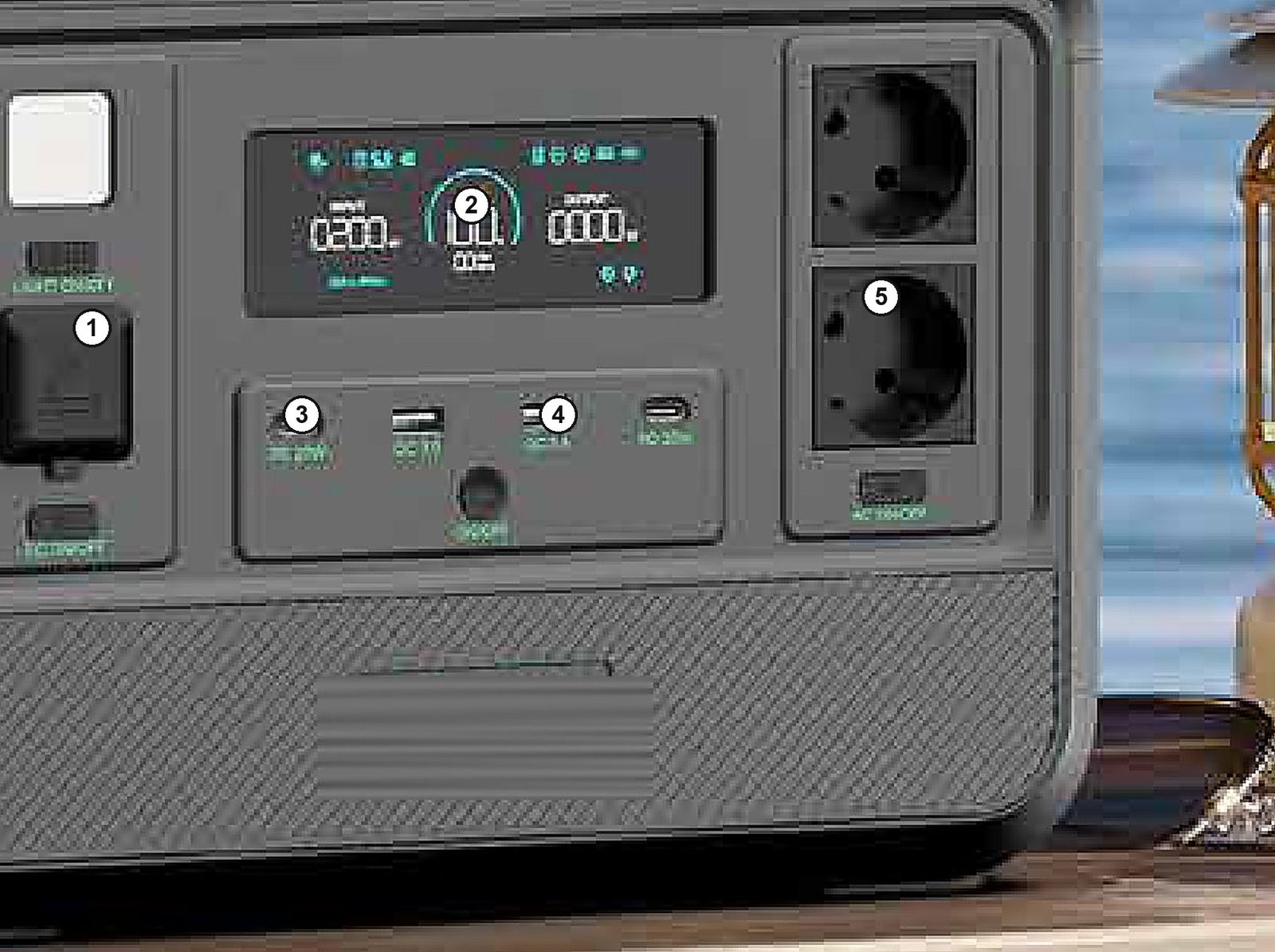
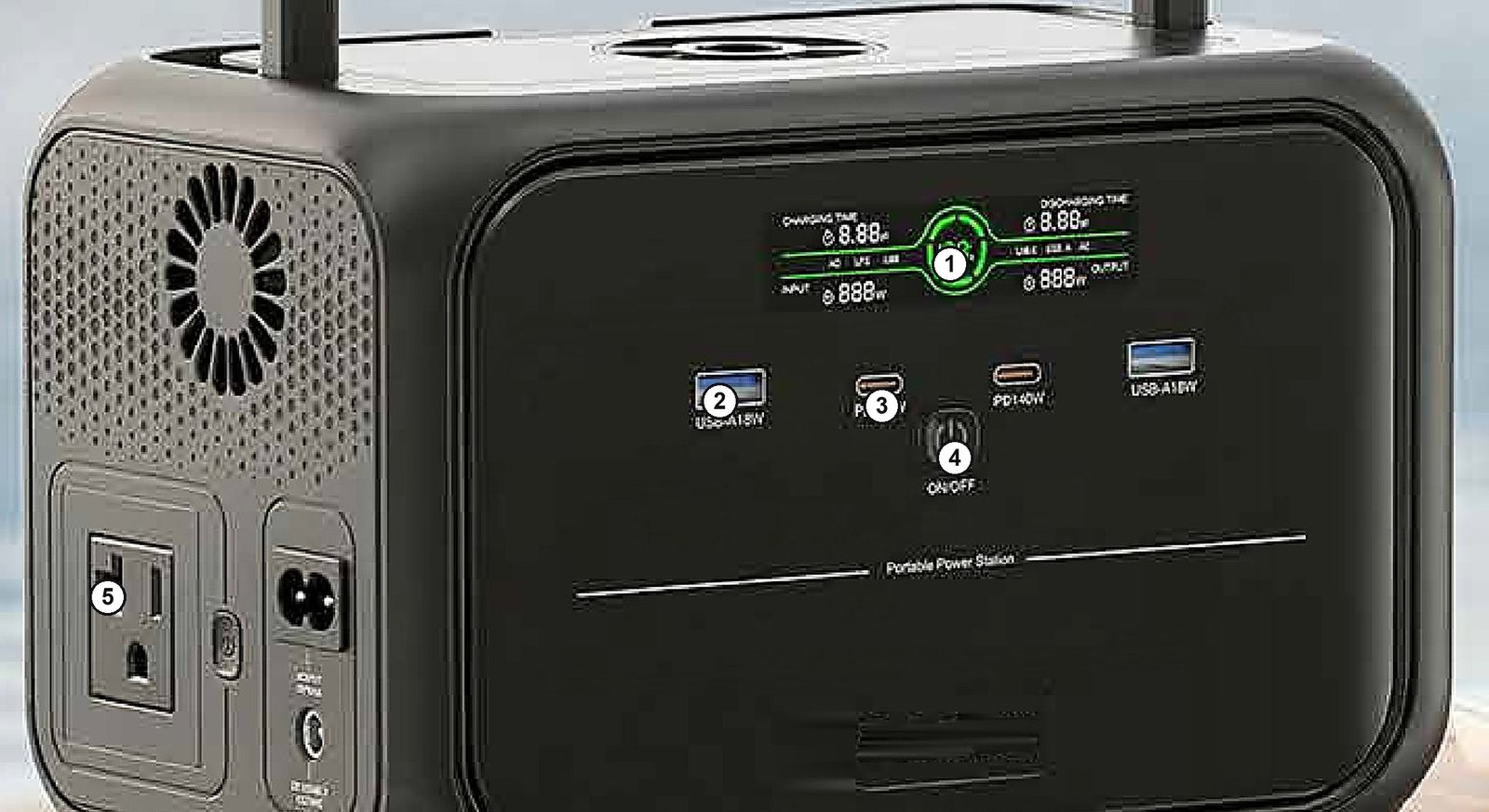
Product photography usually shows a station from three metres away, which is no help when the question is whether it has a 12 V socket or whether a laptop can be charged from it. The three photographs below are cropped to the output panel itself and every connector is numbered, so that the panel and the specification line up. The same numbers are used on all three panels, which makes the port complement comparable across the range.
Two points are worth stating before the pictures. The DC ports are independent of the AC stage, so the 12 V outputs stay live with the inverter switched off — that is what makes the platform usable as a vehicle or work-site 12 V supply and not only as a mains substitute. And the AC outlet pattern is a market decision rather than a fixed feature: the outlets photographed here are the 220-240 V European type, and Type G, Type I or NEMA outlets are fitted for the corresponding destination — see the market configuration guide above.
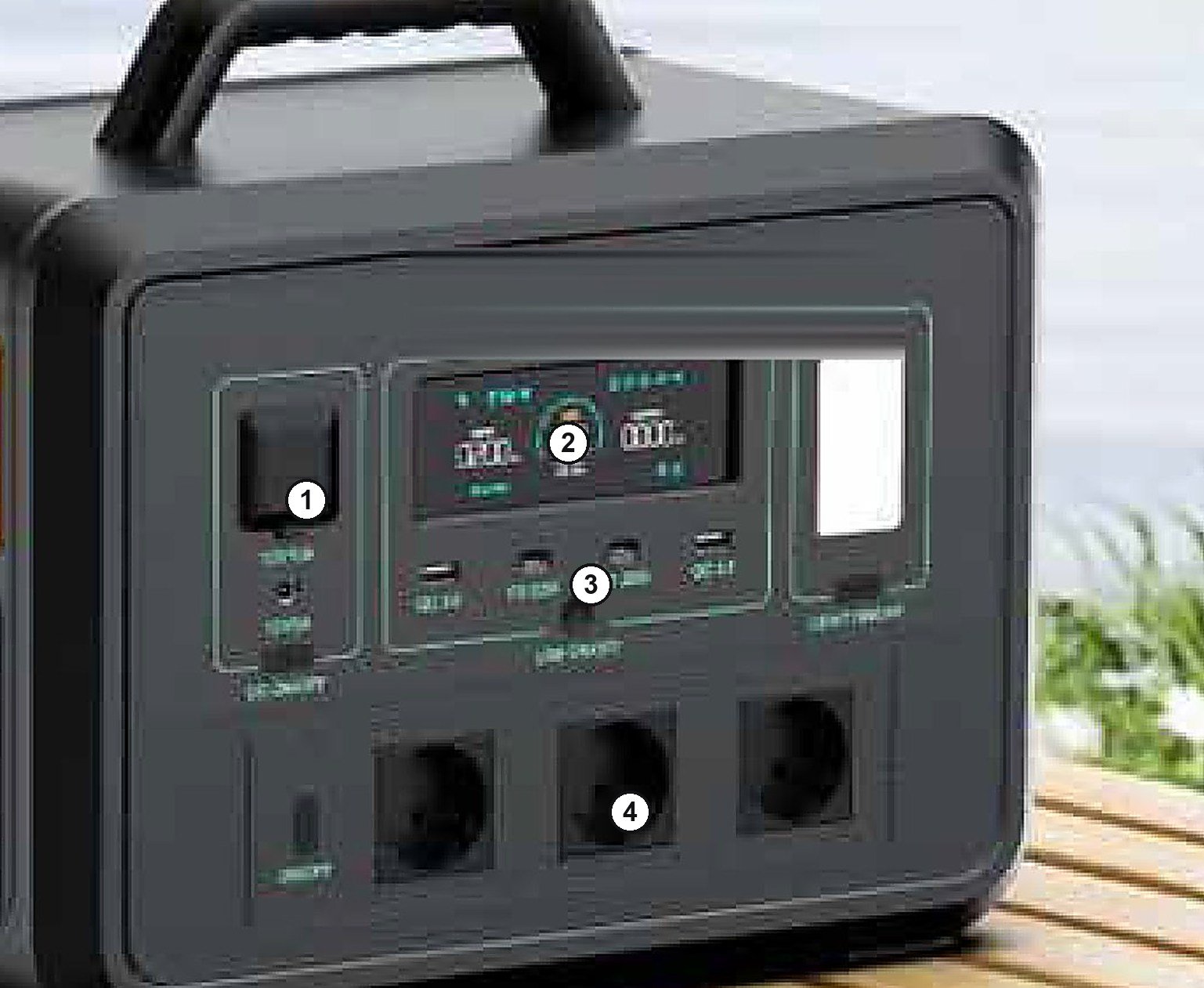
1800 W / 1152 Wh platform — output panel.1 Main power switch. 2 Status display. 3 DC output cluster. 4 AC output outlets.
Main power switch. Master on/off for the AC inverter stage. The DC ports are not switched by it, so a 12 V fridge, a router or a phone charger keeps running with the inverter off and no AC conversion losses.
Status display. Input power from AC and from PV, output power, battery state of charge, and the estimated time to full or to empty. Charge mode and temperature warnings appear on the same panel, so a fault is visible at the unit and not only in the App.
DC output cluster. Cigarette-lighter socket at 12 V/10 A; two USB-A at QC 3.0 18 W (5 V / 9 V / 12 V); one Type-C at PD 2.0 20 W and one Type-C at PD 100 W (5 V / 9 V / 12 V / 15 V / 20 V); and a DC5521 barrel output at 12 V/3 A. The 100 W port runs a USB-C laptop directly, the 20 W port is the phone-and-accessory port.
AC output outlets. 220-240 V AC at 50/60 Hz, pure sinusoidal wave, 1800 W continuous on this platform, with the UPS transfer time under 20 ms on loads below the rated output.
The charging input sits on the opposite face of the enclosure: an XT60 connector rated 12-60 V DC at under 14 A feeding an MPPT charger capped at 500 W. That is the port a folding solar panel or a vehicle alternator connects to, and on this platform AC plus DC charging is capped at 900 W with PV priority.
1200 W / 768 Wh platform — output panel.1 Main power switch. 2 Status display. 3 USB-A ports. 4 Type-C ports. 5 AC output outlets.
Main power switch — the same master inverter switch, with the DC ports left live in the same way.
Status display — charge time and discharge time in hours, input and output wattage, and the battery percentage.
USB-A ×2 at QC 3.0 18 W (5 V / 9 V / 12 V).
Type-C ×2 — one PD 2.0 20 W port and one PD 100 W port (5 V / 9 V / 12 V / 15 V / 20 V). The 100 W port is the one that matters commercially: it charges a laptop at full speed without an AC adapter.
AC output outlets ×2 — 1200 W sinusoidal, with the same sub-20 ms UPS behaviour as the larger platforms.
Charging on this platform is through an XT60 input at 12-60 V DC with an MPPT charger capped at 500 W; AC plus DC charging is capped at 700 W with PV priority. The charging stages are set from the App rather than by a physical switch.
300 W / 288 Wh compact platform — front and side panel.1 Status display. 2 USB-A ports. 3 Type-C PD ports. 4 ON/OFF button. 5 AC output outlet on the side panel.
Status display — charging time, discharging time, input and output wattage and the battery percentage in a single row, which is what a retail buyer actually reads on the shelf.
USB-A ×2 at QC 3.0 18 W (3 A max).
Type-C ×2 at PD 140 W max (5-28 V, 5 A max). A 140 W PD ceiling on a 288 Wh station is unusual in this class, and it is the port to lead with when the buyer’s use case is laptop, drone or camera charging rather than mains appliances.
ON/OFF button. The same enclosure also carries a wireless charging pad on the top face at 5-12 V/15 W and a 6000 K LED light rated 10 W max.
AC output outlet on the side panel, 300 W sinusoidal, with the DC5525 socket rated 12 V/8 A doubling as the DC/MPPT charge input at 12-30 V.
The compact platform charges at a maximum of 150 W from AC and accepts up to 100 W from solar or DC, so a single folding panel is enough to keep it topped up.
Port complement by model
The numbering above maps onto the table below model by model. Where a smaller platform shows fewer ports it is because the enclosure has no room for the full cluster, not because a port type has been dropped from the design.
Port
Q3600 (3840 Wh)
Q1800 (1152 Wh)
Q1200 (768 Wh)
Q300 (288 Wh)
Cigarette-lighter output, 12 V
10 A
10 A
10 A
—
XT60 output, 12 V
25 A
—
—
—
DC5521 / DC5525 barrel
DC5521 ×2, 3 A
DC5521 ×1, 3 A
—
DC5525, 8 A, in / out
USB-A, QC 3.0 18 W
2
2
2
2
Type-C, PD 2.0 20 W
3
1
1
—
Type-C, PD 100 W
1
1
1
—
Type-C, PD 140 W
—
—
—
2
Wireless charging pad
—
—
—
5-12 V, 15 W
LED light
2-4 W warm white
—
—
6000 K, 10 W max
AC outlets
Market-specific pattern
3 socket positions, market-specific pattern
2
1, on the side panel
Port layout is part of the OEM scope rather than a fixed feature: the Type-C and USB-A mix, the choice of XT60 or XT90 for the DC input, and the addition of a wireless charging pad are all confirmed with you at specification stage. Ask for the port drawing of the platform you are considering and we will mark it up against your market.
Expandable architecture: add slave battery units, not a bigger inverter
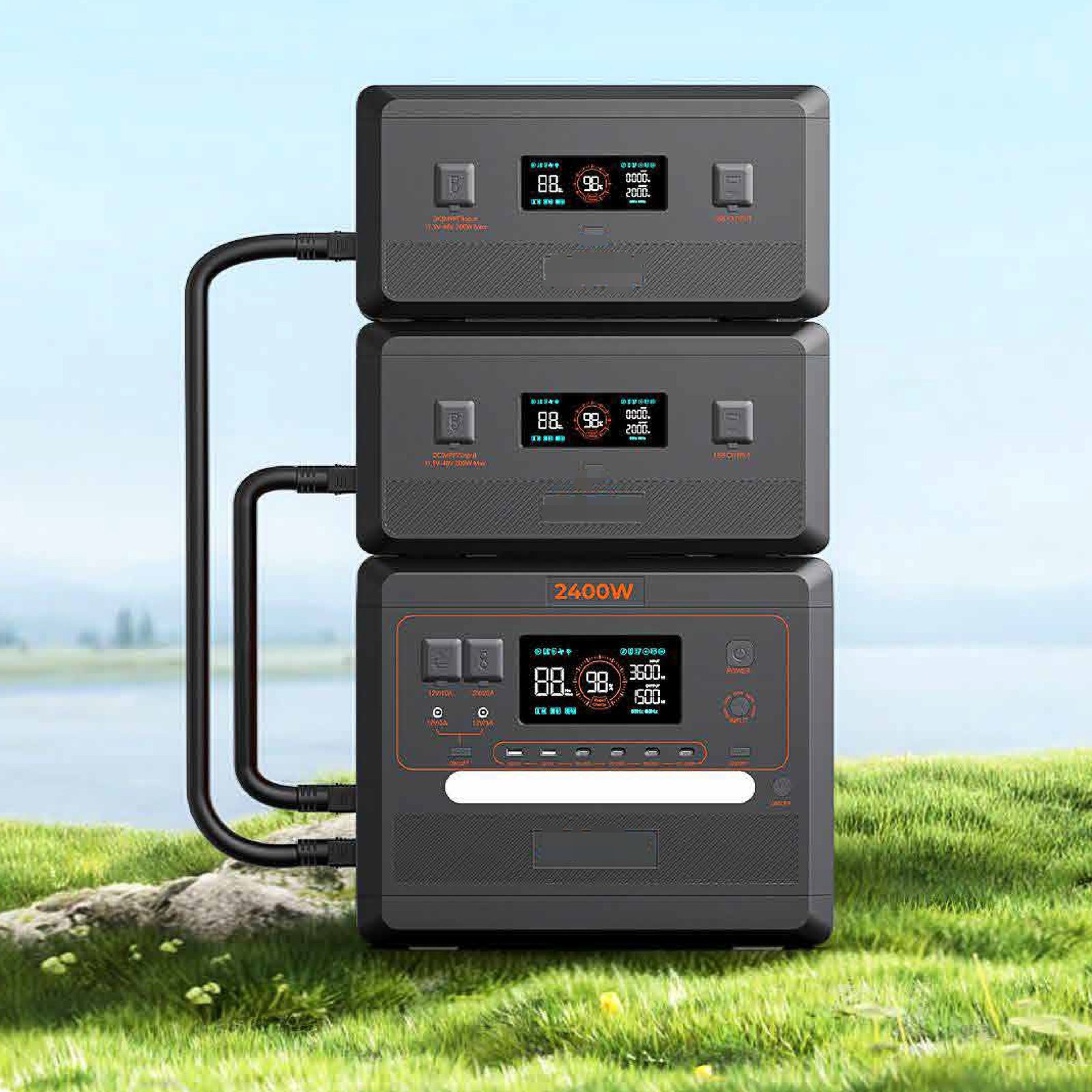
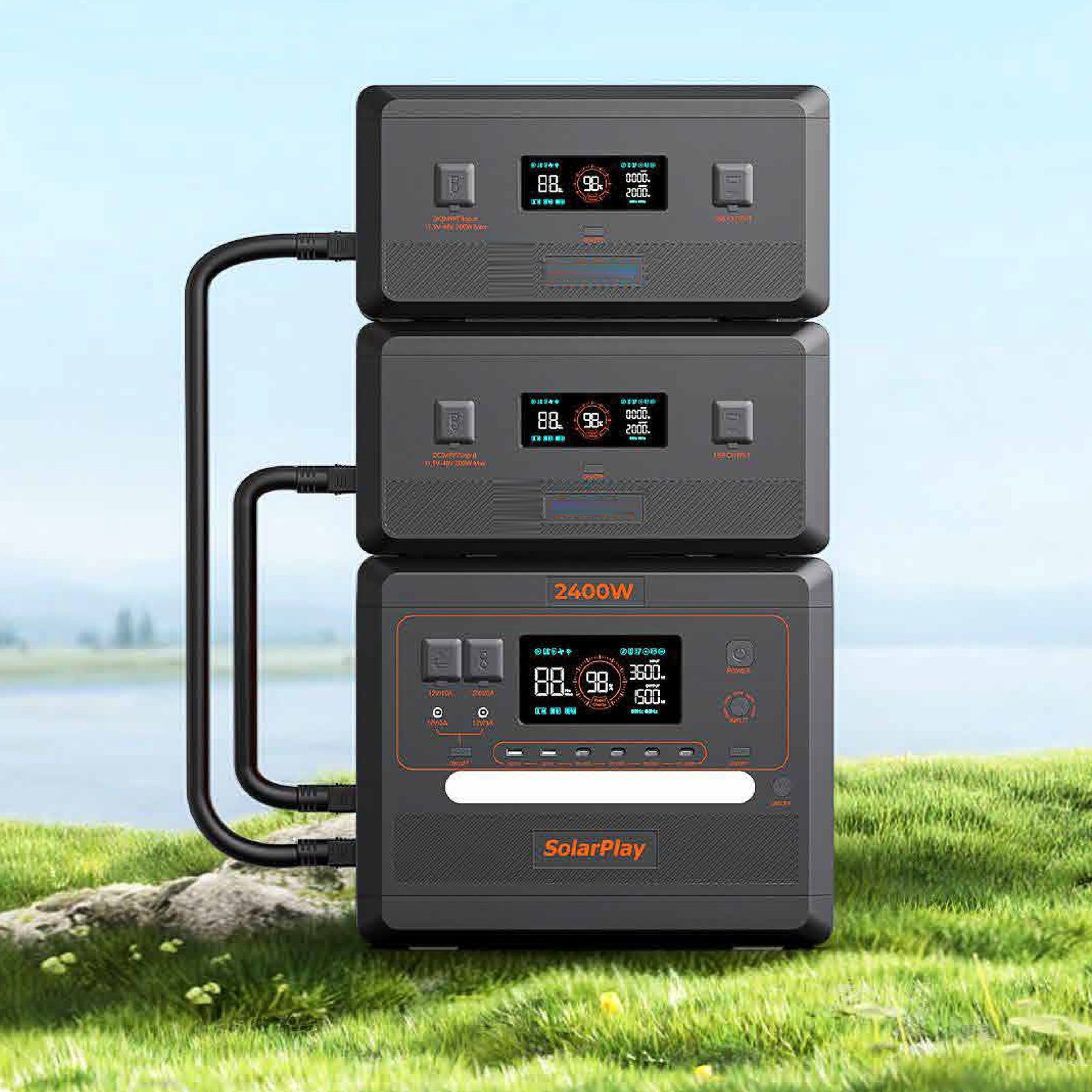
Capacity growth on these platforms is done with add-on battery units rather than a second complete station. The Q2400 pro / Q2400BP stack is the clearest example: a 2400 W inverter unit on the bottom, with matching battery modules stacked and linked on top, so the AC stage stays the same while the stored energy goes up. Maximum expansion is configured per platform — tell us the runtime you need and we will size the stack for it.
Stacked configuration: a 2400 W inverter base with add-on battery modules above it, linked by the station’s own DC cabling. Capacity grows without changing the AC stage.
For a wholesale business this changes the product line, not just the product. A dealer can stock one base station plus add-on modules, sell the base at a competitive entry price and then upsell energy, which is a much easier conversation than selling two complete stations. It also shortens the box, lowers the freight cost per kWh shipped and lets the same SKU serve a weekend camper and a work-site user.
Cells and BMS: LFP32135 prismatic cells at 15 Ah
Every station on this page uses the same cell: an LFP32135 LiFePO4 prismatic cell with 15 Ah nominal capacity. LiFePO4 is the reference chemistry for this duty. It is thermally stable, holds a flat voltage curve across most of the discharge and tolerates daily deep cycling without the capacity walk-down that lead-acid suffers, which is why a portable station lives or dies on cell quality rather than on the inverter label.
OSM Battery manufactures 3.2 V LiFePO4 prismatic cells and builds custom lithium battery packs in the same factory, so cell supply on this line is not a spot-market decision. The battery management system on each station enforces over-charge, over-discharge, over-current, short-circuit and over-temperature limits from the factory setting. For OEM projects the protection thresholds, the display behaviour and the App parameters can all be configured for your market.
Charging: five-stage AC input and 2000 W MPPT solar with PV priority
The Q3600 platform accepts 185-255 V AC at 47-63 Hz with five selectable charging steps from 400 W to 2200 W, so a customer on a weak campsite or generator circuit can slow the charge down instead of tripping the breaker. On the DC side the XT90 input takes 12-160 V DC at under 18 A with an MPPT charger rated to 2000 W — a wide enough window to accept a car alternator, a portable folding panel or a string of rooftop panels without a separate charge controller.
The smaller Q1800 and Q1200 inverters run a combined AC plus DC budget of 900 W and 700 W respectively, with PV priority: while solar charging is active the AC charging power is reduced automatically so the two sources do not compete. Charging steps on those two models are set from the App rather than from a physical switch.
UPS transfer under 20 ms
Each station from the Q1200 up carries a UPS function. On the Q3600 platform the inverter switches from mains to battery on loads below 2500 W in under 20 ms, which is fast enough to keep a desktop PC, a router, a NAS, a point-of-sale terminal or a piece of lab instrumentation alive through a mains drop. For OEM customers this is the spec that moves a portable station from an outdoor accessory into a standby-power product, and it is worth stating on your own packaging.
Why LiFePO4 instead of NMC in a portable power station
Chemistry is the first decision an OEM buyer makes, because it drives cost, safety documentation and the end user’s perception of value. The stations on this page use LiFePO4 (lithium iron phosphate); most consumer units in the same watt class use NMC or NCA.
Property
LiFePO4 (LFP), as used here
NMC / NCA
Nominal cell voltage
3.2 V
3.6-3.7 V
Thermal stability
More stable chemistry, with a higher thermal runaway onset temperature and less tendency for a fault to propagate between cells
Less thermally stable; propagation risk is why pack-level protection has to be more elaborate
Cycle life at full depth of discharge
Substantially longer before capacity reaches the end-of-life threshold
Shorter; benefits from partial state-of-charge operation
Voltage curve
Flat across most of the discharge, so the inverter sees a steady input
Slopes more, so usable energy is sensitive to the cutoff setting
Energy density by weight
Lower, so the station is heavier for the same Wh
Higher, so units are lighter for the same Wh
Transport documentation
UN38.3 plus the UN packing instruction
UN38.3 plus the UN packing instruction
The trade is straightforward: LFP gives up some weight and volume to buy cycle life, thermal headroom and a flatter output curve. For a station that is expected to be cycled daily, sit in a vehicle or run a standby load, that is the right trade, and it is the reason this platform is built on LFP rather than on a lighter NMC cell.
Choosing the right configuration for your market
The models documented on this page are 220-240 V AC, 50/60 Hz. Grid voltage, plug standard and the certification your importer, retailer or marketplace will ask for all change by country, so the configuration is confirmed per project rather than assumed. The table below sets out what each major market typically requires.
Market
Grid
Wall plug
Certification typically requested
Typical model fit
European Union
230 V / 50 Hz
Type C / Type F (Schuko), CEE 7/7
CE, RoHS, UN38.3, MSDS
Q3600, Q3000, Q2400
United Kingdom
230 V / 50 Hz
Type G
UKCA, RoHS, UN38.3
Q3600, Q1800
United States / Canada
120 V / 60 Hz
NEMA 5-15 / 5-20
FCC, and usually UL 2743 or UL 2056 for retail listings
Confirm the 100-120 V AC build with us
Japan
100 V / 50 or 60 Hz
Type A
PSE, UN38.3
Confirm the 100 V AC build with us
Australia / New Zealand
230-240 V / 50 Hz
Type I
RCM, UN38.3
Q3000, Q2400, Q1800
Middle East / Africa
220-240 V / 50 Hz
Type C / Type G
CE, UN38.3, MSDS
Q3600, Q3000, Q2400
Two practical notes for a first order. First, a 220-240 V platform and a 120 V platform are different builds rather than a plug adapter, so market choice has to be fixed before housing and certification work starts. Second, UN38.3 plus the UN packing instruction is required regardless of destination — it is the document set your freight forwarder asks for before a lithium battery is accepted for shipment.
Certification and compliance
Documentation is what decides whether an order can clear customs and be listed, so the certificate scope is stated explicitly rather than summarised as “fully certified”.
Certificate / document
What it covers
Why the buyer or forwarder asks for it
CE
EU conformity for the electrical product
Required to place the product on the EU market
FCC
Electromagnetic compatibility for the US market
Requested for US retail and marketplace listings
RoHS
Restricted substances in electrical equipment
EU and UK compliance, and increasingly a retail listing condition
PSE
Japanese electrical appliance safety
Required for the Japanese market
UN38.3
Lithium battery transport testing
Mandatory before any forwarder will accept the shipment
MSDS
Material safety data sheet
Customs and carrier documentation
UN packing instruction
Compliant packaging for lithium cells and batteries
Required alongside UN38.3 for air and sea freight
IEC 62619 / UL 2743
Safety of industrial lithium cells and of portable power stations
Arranged for volume programmes when a retail channel or tender demands it
The platforms ship with the first seven items. IEC 62619 and UL 2743 are programmes we run for volume OEM projects; test reports for your specific configuration can also be supplied to support your own certificate application, with the scope quoted per project. You can review our factory quality documentation before you order.
Container loading and export logistics
Loading data decides your landed cost per unit, so it is published for every model rather than quoted on request.
Model
Net weight
Dimensions (mm)
20 ft container
40 ft container
Q3600 pro / Q3600
42.2-42.8 kg
608 x 292 x 456
176 pcs max
356 pcs max
Q3000
38 kg
608 x 292 x 456
176 pcs max
356 pcs max
Q2400 pro / Q2402M / Q2501
20.9-21.6 kg
391 x 285 x 319
350 pcs max
780 pcs max
Q1800
14 kg
370 x 220 x 308
507 pcs max
1140 pcs max
Q1200
11.5 kg
340 x 210 x 230
600 pcs max
1500 pcs max
Q300
3 kg
206 x 122 x 134
2200 pcs max
4480 pcs max
Mixed loads are normal for a first order: a distributor will typically take the 3600 W platform as the hero SKU and fill the container with the Q1200 / Q1800 and the folding panels. Tell us your container plan and we will work the loading sheet with you. Our production and assembly overview shows how the pack line is organised.
OEM and ODM service scope
“OEM” means different things to different suppliers. This is the scope we actually take on, and the two items we need from you to quote: target market and annual volume.
Item
What can be customised
Branding
Logo on the housing, product name, model numbering, silk-screen and nameplate
Housing
Colour, finish and accessory set
Packaging
Retail carton, inner packing, user manual, quick-start card and language versions
AC configuration
220-240 V / 50-60 Hz documented here; other market voltages confirmed per project
Port configuration
Type-C / USB-A mix, XT60 or XT90 DC input, cigarette lighter output, wireless charging pad on the compact models
Firmware and App
App branding, charging-stage presets, display behaviour and protection thresholds
Compliance
Certification marks and test-report packages for your target market
Minimum order quantity
Quoted per model and configuration; mixed-model and mixed-capacity containers accepted
Sample lead time
Confirmed after specification and artwork freeze
Production lead time
Scheduled per order against confirmed cell supply and certification status
Warranty
Standard factory warranty; terms confirmed on quotation
Applications and model fit
Application
Model fit
Why it fits
RV, camper van and overlanding
Q3600, Q3000
3600 W AC runs a microwave, kettle or induction hob; 2000 W MPPT input takes rooftop or portable solar
Home and small-office standby
Q3600 pro, Q3000
UPS transfer under 20 ms on loads below 2500 W; add-on battery units extend runtime
Camping, fishing and outdoor retail
Q1200, Q1800, Q2400
11.5-21.6 kg hand-carry weights and sub-40 dB operation give strong retail price points
Work sites and mobile service vehicles
Q3000, Q2400
Wheeled or hand-carry platforms with cigarette lighter and XT60 12 V outputs for tools and compressors
Telecom, instrumentation and lab
Q3600, Q1800
Pure sinusoidal output, sub-20 ms UPS and a BMS with published protection limits
Distributor private-label programme
Whole range
One cell type and one BMS family across ten models keeps service and spare parts simple
Portable solar panels to complete the kit
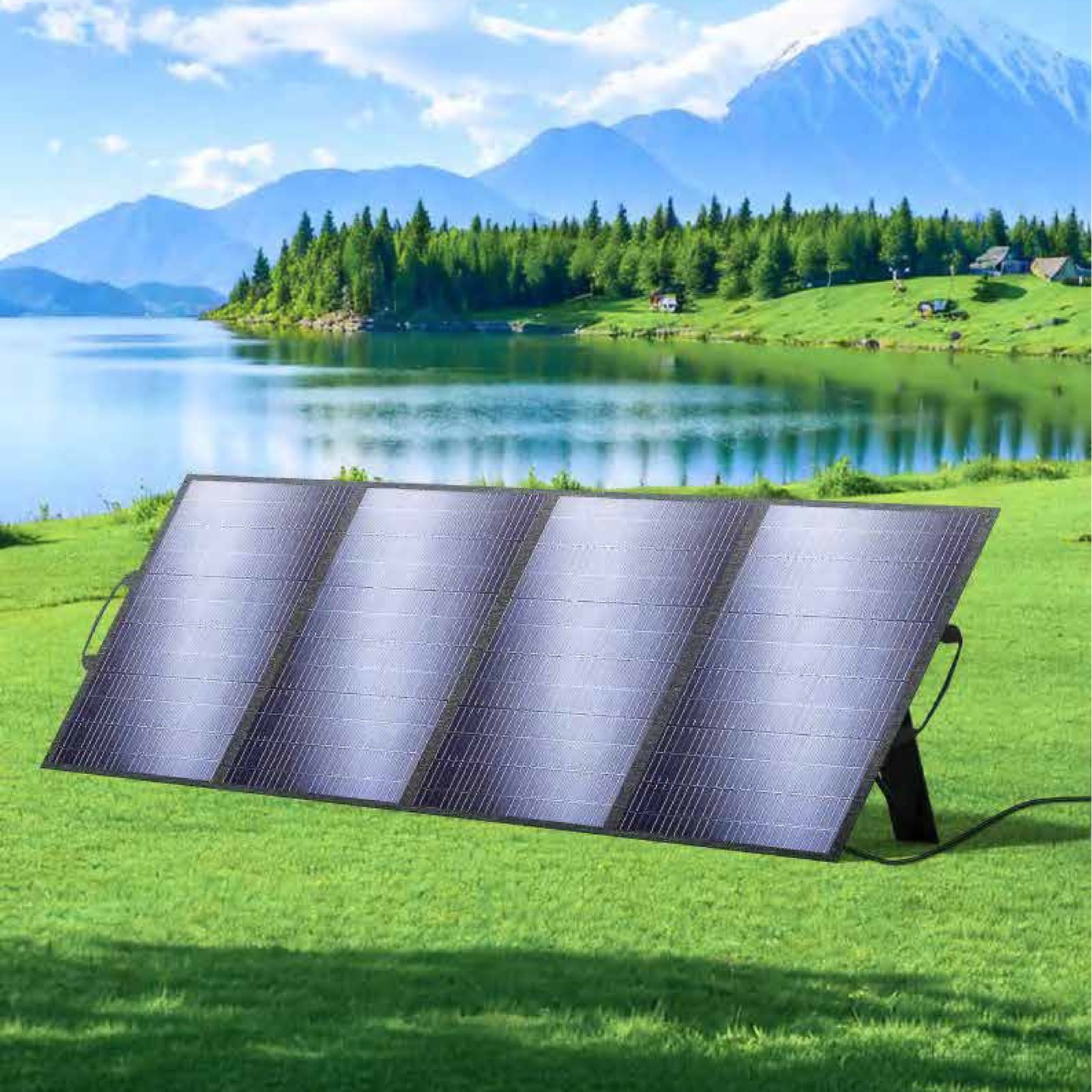
The folding panel range is built to pair with the stations above, so a dealer can sell a charging kit rather than a bare box.
Model
Peak power (Pm)
Vmp
Imp
Voc
Isc
Cell efficiency
Folded size (mm)
Weight
XY-400W
400 W ± 5%
29.7 V
13.46 A
35.64 V
14.82 A
24% ± 1%
666 x 539 x 24 (6 folds)
8.65 kg
XY-200W
200 W ± 5%
19.8 V
10.1 A
23.76 V
11.11 A
24% ± 1%
600 x 527 x 16 (4 folds)
5.55 kg
XY-105W
105 W ± 5%
19.8 V
5.3 A
23.76 V
5.83 A
22% ± 1%
545 x 527 x 12 (3 folds)
2.3 kg
XY-100W
105 W ± 5%
19.8 V
5.3 A
23.76 V
5.83 A
22% ± 1%
454 x 443 x 12 (3 folds)
2.8 kg
XY-50W
50 W ± 5%
19.8 V
2.53 A
23.76 V
2.78 A
24% ± 1%
407 x 365 x 8 (2 folds)
1.58 kg
Why source the platform from OSM Battery
We make the cells, not just the box. The 3.2 V LiFePO4 prismatic cells in this range come from our own cell line, and the packs are assembled and tested in the same factory, so cell batch, BMS setting and finished-station test report trace back to one production run. See LiFePO4 cells and custom battery packs.
Portable stations sit inside a wider battery business. OSM Battery also builds residential and commercial energy storage, fork-lift traction packs and high-voltage cabinets. Review the BESS range or solar energy storage systems if your programme needs more than a portable unit.
OEM work is an established service line. Custom pack design and battery solution engineering are part of the core offering — see lithium battery design and solution.
A direct line to the people who quote. You deal with the factory rather than a trading layer: see our team and about OSM Battery.
FAQ: portable power station OEM sourcing
Do you manufacture portable power stations, or only supply them?
We manufacture them, and we also manufacture the LiFePO4 cells inside them. The 3.2 V LFP32135 prismatic cell used across this range comes from our own cell line, and the packs are assembled and tested in the same factory. That means the cell batch, the BMS setting and the finished-station test report stay traceable to one production run.
What is the minimum order quantity for a private-label portable power station?
MOQ is quoted per model and per configuration, because a housing colour change or a new certification programme moves the break-even quantity. For a first order we usually recommend a mixed container: the higher-capacity models as the hero SKUs and the compact models to fill weight and volume. Requests for a single trial pallet are handled case by case — tell us the volume you have in mind and we will quote against it.
Can you put my logo on the station and the packaging?
Yes. Logo on the housing, model numbering, silk-screen, nameplate, retail carton artwork, user manual and language versions are all part of the standard OEM scope. The housing colour and finish can also be changed, and on ODM projects the port configuration, display behaviour and App parameters can be reworked with you.
Is 3840 Wh the largest capacity, or can a station be expanded later?
The 3840 Wh 3600 W model is the largest single platform. Above that, capacity grows by adding slave battery units to the base station rather than buying a bigger inverter — see the stacked Q2400 pro / Q2400BP configuration above. Tell us the runtime you need at a given load and we will size the expansion stack for that duty cycle.
Which certifications come with the portable power stations?
The platforms ship with CE, FCC, RoHS, PSE, UN38.3, MSDS and UN packing documentation. Market-specific programmes such as IEC 62619 and UL 2743 can be arranged for volume projects. UN38.3 plus the UN packing instruction is normally the document set your forwarder will ask for.
Can you supply the stations in 110 V / 120 V for North America?
The documented specification is 220-240 V AC, 50/60 Hz. A 120 V platform is a different build rather than an adapter, so tell us your target market on the inquiry and we will confirm which AC output configuration is available for that project.
How long does production take?
Sample lead time starts after the specification and artwork are frozen, and mass production is scheduled against confirmed cell supply and the certification status of your configuration. Because cells and test slots are booked to a specific configuration, lead time is quoted per order rather than published as a single number for the whole range.
How is the container loaded and shipped?
Loading is published per model in the logistics table above — for example 176 pcs per 20 ft or 356 pcs per 40 ft for the 3600 W platform. Lithium batteries ship under UN38.3 with the UN packing instruction, and we prepare the MSDS and shipping documents so the forwarder can move the order without a documentation delay.
Can you send samples before a mass order?
Yes. Samples are the normal way an OEM programme starts, because the buyer needs to verify the App, the port layout and the enclosure finish before committing to artwork. Sample quantity, lead time and whether the sample cost is credited against the first mass order are all confirmed in the quotation.
What happens if a station fails in the field?
Warranty terms are confirmed per quotation. The practical service question is spare-part supply: because every model from the Q1200 up shares one cell type and one BMS family, a distributor does not have to stock a different service kit per SKU. Talk to us about the replacement-parts arrangement for your programme.
Start an OEM portable power station project
Send us the target market, the capacity you want to lead with, the annual volume and whether you need your own branding. We will come back with the model recommendation, the loading sheet and a factory-direct quote.
OSM Battery is a China Based Manufactuer. Provide Design and production of Lithium ion, lithium iron phosphate battery cells and Systems. The battery applications inlcude ESS( energy storage system, UPS, Passenger car, and other industry Embedded lithium type batteries. We provide Standard OSM Battery brand Drop in replacement LiFePo4 series and also support OEM Custom Li-ion battery.
Recent Tweets
Newsletter
Sign-up to get the latest news and update information. Don't worry, we won't send spam!