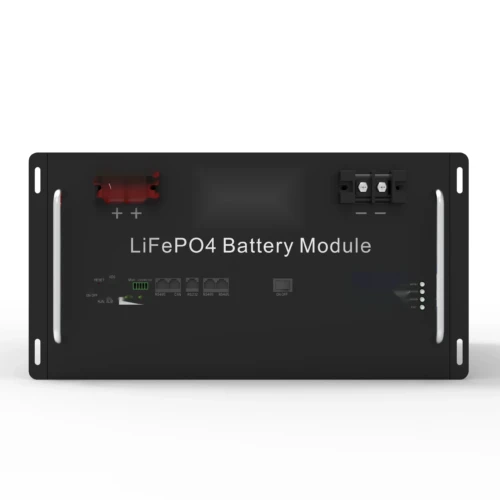
Description
51.2V 50Ah Rack Mount LiFePO4 Battery: overview
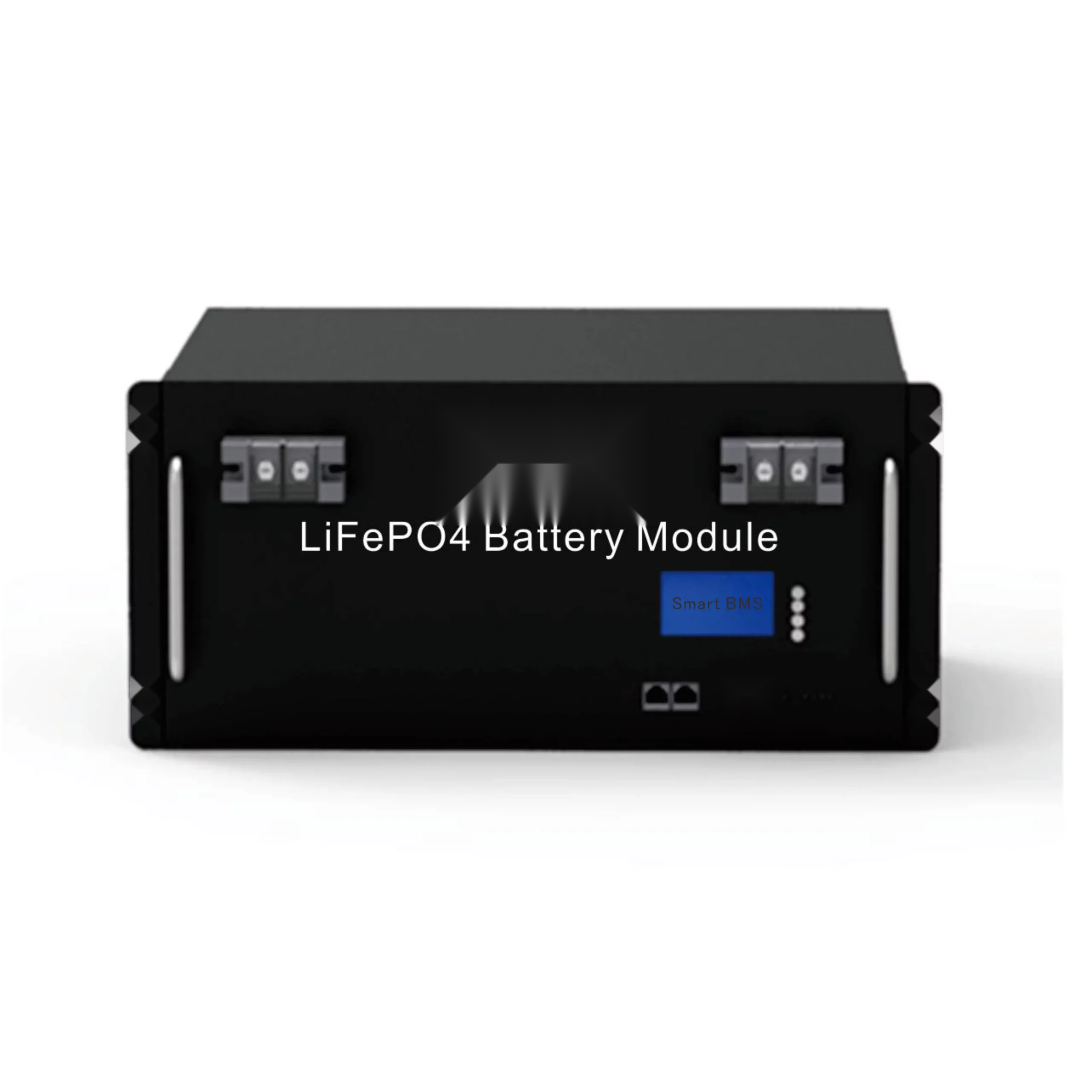
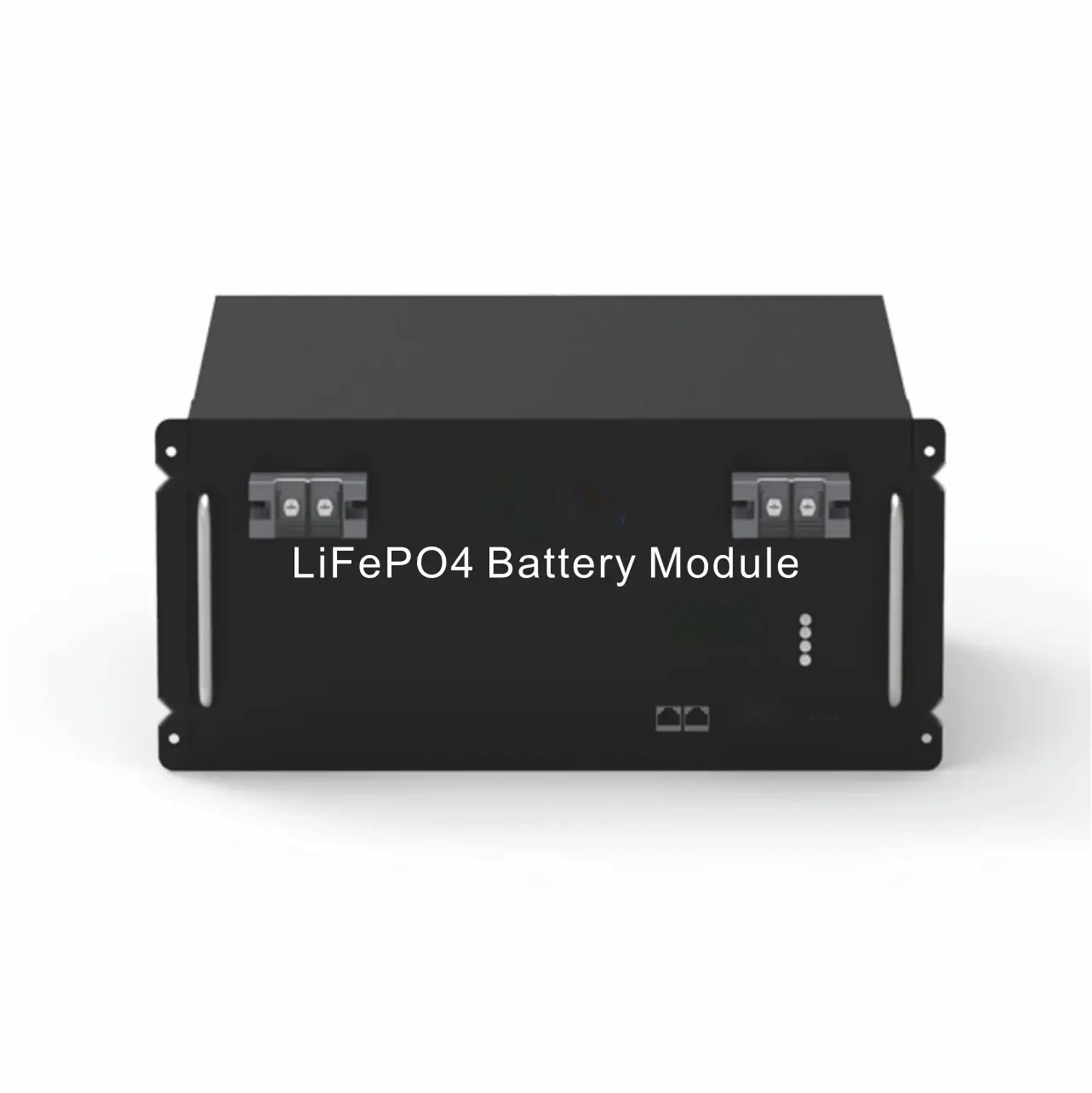
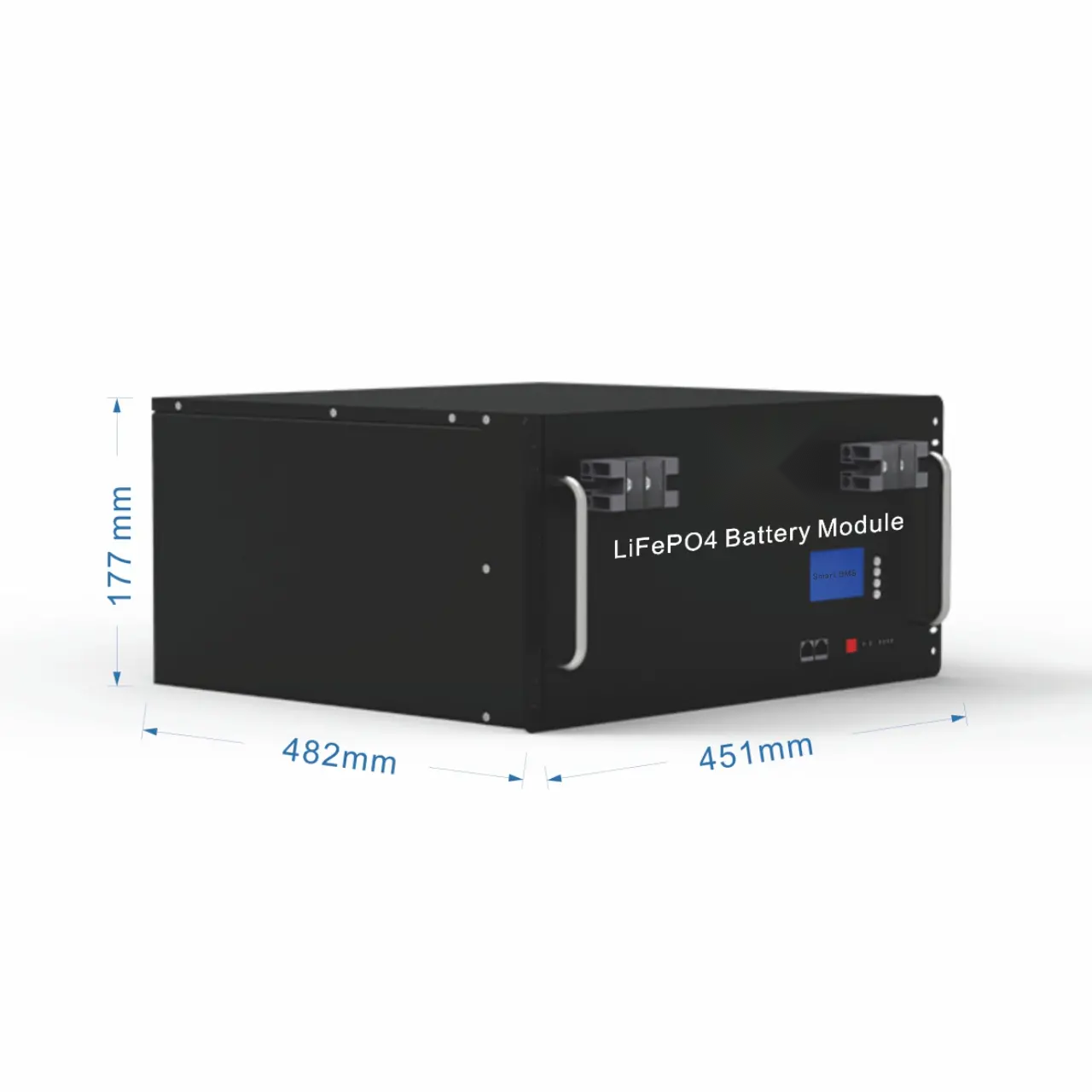
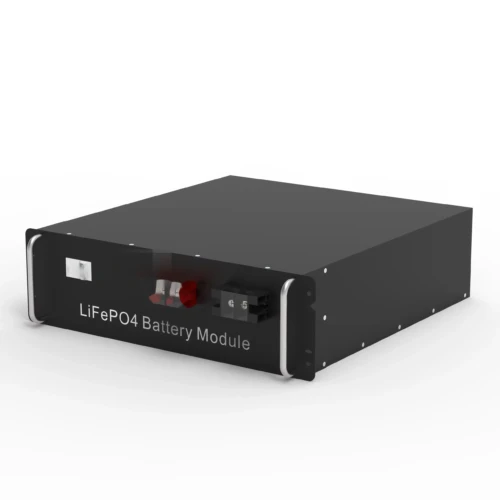
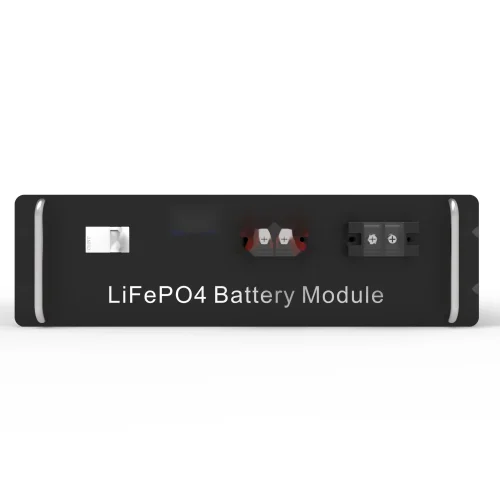
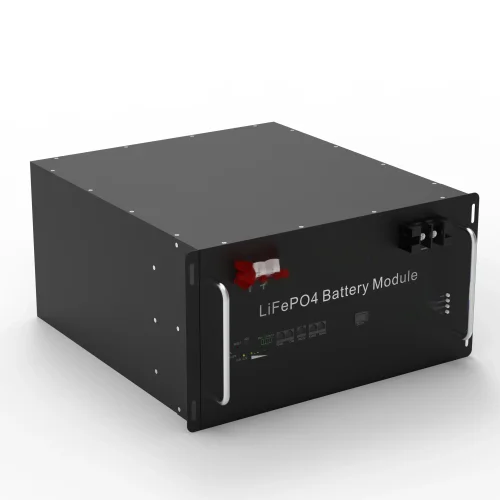
The OSM 51.2V 50Ah Rack Mount LiFePO4 Battery is a 51.2V / 50Ah rated rack-mount LiFePO4 battery module, storing about 2.56 kWh of nameplate energy. It is engineered for residential and small commercial energy storage and telecom backup.
LiFePO4 (lithium iron phosphate) chemistry is the reference choice for this duty because it is thermally stable, keeps a flat voltage curve across most of the discharge, and tolerates daily deep cycling without the capacity walk-down that lead-acid suffers. The module is assembled around Grade A cells and managed by a battery management system that enforces the published voltage, current and temperature limits from the factory.
Key features

51.2V 50Ah Rack Mount LiFePO4 Battery
- 51.2V at 50Ah — about 2.56 kWh per module
- LiFePO4 chemistry for thermal stability and a flat discharge curve
- RS485/RS232/CAN communication for inverter and EMS integration
- Integrated BMS guarding over-charge, over-discharge, over-current and temperature
- Warranty: 5 years with a published cycle-life reference
Specifications
Electrical
| Nominal voltage | 51.2V |
| Nominal capacity | 50Ah |
| Cell configuration | 8S1P |
| Charge cut-off voltage | 58.4 |
| Discharge cut-off voltage | 44.8 |
| Max charge current | Max1.2C @25℃ |
| Max discharge current | Max0.5C @25℃ |
Mechanical and environmental
| Dimensions | 482*451*177 |
| Weight | 34kg |
| Charging temperature | 0~+50℃ |
| Discharging temperature | -20~+55℃ |
Control, compliance and commercial
| Chemistry | Lithium iron phosphate |
| Communication | RS485/RS232/CAN |
| Warranty | 5 years |
| OSM model | OSM4850LR |
| BMS protection | Over-charge, over-discharge, over-current, short circuit, over-temperature |
Applications
| Application | Typical configuration | Why it fits |
|---|
| Solar self-consumption | PV array + hybrid inverter | Stores surplus daytime generation |
| Backup power | Critical-load panel | Bridges grid outages automatically |
| Off-grid systems | Scaled to daily consumption | Deep daily cycling without damage |
| Time-of-use arbitrage | Off-peak charging window | Shifts cheap energy to peak hours |
| Lead-acid replacement | Same nominal voltage | Lighter, longer lasting and maintenance-free |
- Residential solar energy storage
- Small commercial and retail ESS
- Telecom and data centre backup
- Off-grid cabins and remote sites
- Battery retrofit onto existing hybrid inverters

51.2V 50Ah Rack Mount LiFePO4 Battery — installed configuration example
Sizing this rack-mount LiFePO4 battery module for your project
51.2V 50Ah Rack Mount LiFePO4 Battery stores 2.56 kWh per module. For a rough bank size, multiply by the number of units: 1 unit ≈ 2.56 kWh, 4 units ≈ 10.24 kWh, 8 units ≈ 20.48 kWh, 16 units ≈ 40.96 kWh. Confirm the parallel limit and the inverter charge current before you finalise the string.
System voltage. This is a 51.2 V unit, so it matches the 48 V / 51.2 V class of hybrid and off-grid inverters and can sit on the same DC bus as other modules of the same voltage class.
Why buy from OSM
- Standard 19-inch rack form factor for fast cabinet build-out
- Integrated BMS with RS485 / CAN communication
- Parallel expansion without external balancing hardware
- Matched protocols for mainstream hybrid and off-grid inverters
- Factory-direct pricing with OEM/ODM branding
OSM Battery manufactures and exports LiFePO4 batteries and energy storage systems for distributors, installers and project developers. Every order is built to the published specification, tested before dispatch, and shipped with the documentation your market needs.

51.2V 50Ah Rack Mount LiFePO4 Battery — application example
OEM and ODM customization
Beyond the standard configuration, OSM builds to order: enclosure colour and branding, nameplate and label artwork, packaging, cable and connector sets, communication protocol selection and matched charger or inverter bundles. Send the target specification and the artwork, and the engineering team returns a drawing and a quotation.
Frequently asked questions
What chemistry does this rack-mount LiFePO4 battery module use?
It uses lithium iron phosphate (LiFePO4 / LFP) cells with a nominal rating of 51.2V / 50Ah. LFP is chosen for this duty because it is thermally stable, holds a flat voltage curve for most of the discharge and tolerates daily deep cycling far better than lead-acid or NMC.
How much energy is that in practice?
The nameplate energy is about 2.56 kWh per module. Usable energy is a little lower because most systems do not go to a full 100% depth of discharge — 90% is the usual planning figure, and that is what to use when you size the bank against daily consumption.
Which inverters and EMS platforms will it talk to?
Communication is RS485/RS232/CAN. That covers the mainstream hybrid, off-grid and C&I inverter protocols, so in most projects the battery pairs with the inverter without a protocol converter. Send us your inverter model and we will confirm compatibility before you order.
Can I expand the bank later?
Yes. Units of the same voltage and capacity class can be added later, which is why it pays to leave headroom in the inverter charge current and in the rack, cabinet or wall space. If you expect to grow, plan the final bank size now and build it in stages.
What warranty comes with it?
The product carries a 5 years warranty. The terms reference a published cycle life and a calendar limit, so keep the commissioning record and the operating logs — they are what the claim is assessed against.
Do you supply samples and OEM branding?
Yes. OSM supplies single units and samples, and offers OEM/ODM on the enclosure, the label, the nameplate and the packaging. Send the artwork and the target specification and we will return a quotation with the lead time.
Request a quotation
Tell us the voltage, the capacity or the kWh you need, the inverter you are using and the quantity — the OSM team will come back with a price, the datasheet, the MOQ and the lead time. Samples and OEM trials are available.
Contact OSM Battery for wholesale pricing, OEM/ODM and project support.