

The Basic Knowledge Of Lithium-Ion Batteries
We use the lithium-ion batteries each day. From cell phones and laptops to hybrids and electric cars, this technology is growing in popularity because of its light weight, high energy density, and rechargeable ability.

How do the lithium-ion batteries work?
Like other rechargeable battery, a lithium-ion battery is made up of one or more power-generating compartments called cells. Each cell has essentially three units: a positive electrode (connected to the battery’s positive or + terminal), a negative electrode (connected to the negative or − terminal), and a chemical called an electrolyte in between them. The positive electrode is typically made from a chemical compound called LiCoO2 or liLiFePO4 in newer batteries. The negative electrode is generally made from graphite and the electrolyte varies from one type of battery to another,but it is not important to understand how the battery works.
When charging the battery, the battery takes in and stores energy during this process. And some lithium ions which the positive electrode gives up move through the electrolyte to the negative, graphite electrode remain there. The lithium ions move back across the electrolyte to the positive electrode when the battery is discharging , producing the energy to powers the battery . In both cases, electrons flow in the opposite direction to the ions around the outer circuit.Through the electrolyte electrons do not flow : it’s effectively an insulating barrier, so far as electrons are concerned.
Energy density and power density
Energy density and power density are the two most common concepts associated with batteries. Energy density is the amount of energy the battery can store with respect to its mass which is measured in watt-hours per kilogram (Wh/kg). Power density is the amount of power that can be generated by the battery with respect to its mass which is measured in watts per kilogram (W/kg). Using a pool to draw a clearer picture. Energy density just like the size of the pool, while power density is comparable to draining the pool as quickly as possible.
 Advantages of lithium-ion batteries

- High energy density: The much higher power density offered by lithium ion batteries is a distinct advantage. They will help your solar system store more energy.
- Self-discharge: The self discharge rate of Lithium-ion battery is much lower than that of other rechargeable batteries. In the first 4 hoursIt is typically around 5% after being charged but then falls to a figure of around 1 or 2% each month.
- Low maintenance: Lithium-ion batteries don’t need periodic discharge , because there is no memory of this type batteries.
- Cell voltage: The voltage of each lithium ion cell is higher, requiring less cells in many battery applications.The voltage produced by each lithium ion cell is about 3.6 volts. A single cell is all for smartphones ,this simplifies the power management for it.
- Load characteristics: The load characteristics of a lithium ion battery are quite good. As the last charge is used,they still provide a constant 3.6 volts per cell before falling off.
- No requirement for priming: When some battery receive their first charge,they need to be primed. One advantage of lithium-ion batteries is that it is no requirement for this.
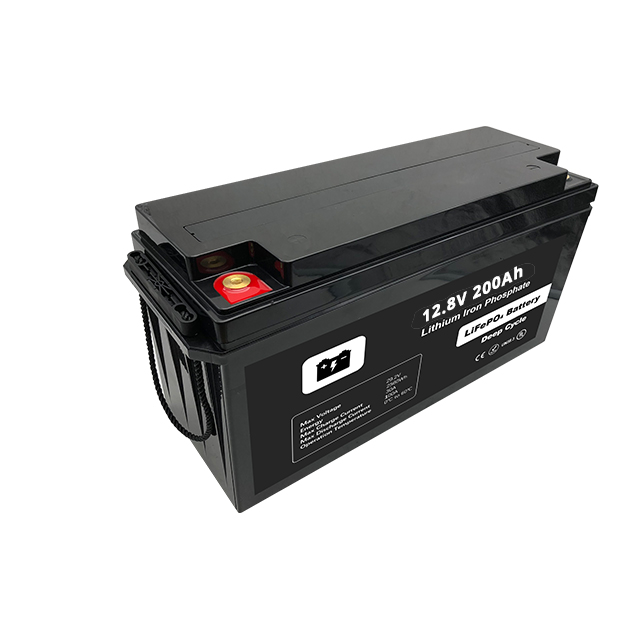
Disadvantages of lithium-ion batteries
- Protection required: Lithium -ion batteries are not as robust as some other rechargeable batteries. They cannot being over charged and discharged too far. In addition, they need to maintained the current within safe limits. So they need protection circuitry incorporated to ensure they are kept within their safe operating limits.
- Ageing: All batteries suffer from ageing,so do lithium-ion batteries.But we can help increase their life. When a typical lithium-ion battery needs to be stored, it should be partially charged around 40% to 50% and kept in a cool storage area. Under these conditions will help increase the life.
- Cost: The price is a major disadvantage of lithium-ion battery. Their manufacture cost are around 40% higher than other batteries. This is a major factor when customer considering their use form other items.
OSM ENERGY
OSM ENERGY Focusing on the R&D, Manufacturing and pack production of the world most leading lithium motive batteries. Establishing a full industry chin in vehicle and energy storage batteries field to achieve a perfect combination of new energy power generation, storage and consumption under the smart internet managment. providing customers turnkey solutions and stable product service during its whole cycle. For more information please contact us:

TEL:+86-0755-2100 2559
Lithium-ion battery types compared
“Lithium-ion” is a family, not a single product. The cathode chemistry sets the character of every member of it, and four cells cover almost all commercial use:
| Type | Energy density | Cycle life | Typical use |
|---|---|---|---|
| LCO (lithium cobalt oxide) | 150–200 Wh/kg | 500–1,000 | Phones, laptops |
| NMC / NCA | 150–265 Wh/kg | 1,000–2,000 | EVs, power tools |
| LFP (LiFePO4) | 90–160 Wh/kg | 3,000–6,000+ | Solar storage, ESS, telecom |
| LTO (lithium titanate) | 50–80 Wh/kg | 10,000+ | Fast charge, extreme cold |
For the chemistry most relevant to storage, our LiFePO4 vs NCM comparison covers the trade-offs in detail, and the numbers behind the first column are explained in how energy density is measured.
Key battery terms explained
Most confusion about batteries is a vocabulary problem. These are the terms that appear on every specification sheet:
- Voltage (V) — the electrical “pressure”; nominal voltage is the average during discharge, not the maximum.
- Amp-hours (Ah) — charge capacity: how much current the cell can deliver over time.
- Watt-hours (Wh) / kilowatt-hours (kWh) — energy: voltage × amp-hours. A 51.2 V 100 Ah pack is 5.12 kWh.
- C-rate — charge or discharge current expressed as a multiple of capacity. 1C on a 100 Ah cell is 100 A.
- Depth of discharge (DoD) — the fraction of capacity used before recharging.
- State of charge (SoC) — the remaining capacity as a percentage.
- Cycle life — the number of charge–discharge cycles before capacity falls to a defined point, usually 80 %.
- Energy density / power density — energy per kilogram versus power per kilogram; a cell can be optimised for one or the other.
Charging and discharging: best practice
- Charge with a profile matched to the chemistry — LiFePO4 at 3.65 V per cell, not the lead-acid profile.
- Keep the charge current at or below the cell’s rating; 0.5C is a common balance between speed and life.
- Avoid discharging below 2.5 V per cell, and never charge below 0 °C.
- For storage, leave the battery near 50 % SoC rather than full.
- Keep the pack out of sustained heat; high temperature shortens life faster than heavy use.
The reason each rule exists is covered in calendar life versus cycle life.
How to read a battery specification sheet
Three checks separate a useful datasheet from a marketing page. First, ask whether the capacity is nameplate or usable — a 100 Ah pack cycled to 80 % DoD delivers 80 Ah. Second, ask what temperature and C-rate the cycle-life figure assumes, because the same cell can be quoted at 6,000 cycles or 1,500 depending on the test. Third, check whether the numbers are cell-level or pack-level: a finished pack gives back 25–40 % less than the sum of its cells once the enclosure, BMS and thermal hardware are counted.
Lithium-ion battery FAQs
What is a lithium-ion battery made of?
Four functional parts: a positive electrode, a negative electrode (usually graphite), a separator and an electrolyte. Charging moves lithium ions from the positive to the negative electrode; discharging reverses the flow.
How many types of lithium-ion battery are there?
Six common cathode chemistries — LCO, NMC, NCA, LFP, LMO and LTO — plus variants such as sodium-ion and solid-state under development. Each balances energy, power, life, safety and cost differently.
Why do batteries lose capacity over time?
Because the electrodes and electrolyte degrade a little with every cycle and with time, consuming the lithium available for storage and raising internal resistance. Good practice slows both clocks but cannot stop them.
Need a quote? Tell us what you are powering and we will recommend the right LiFePO4 configuration — factory-direct, no obligation.

Leave A Comment