
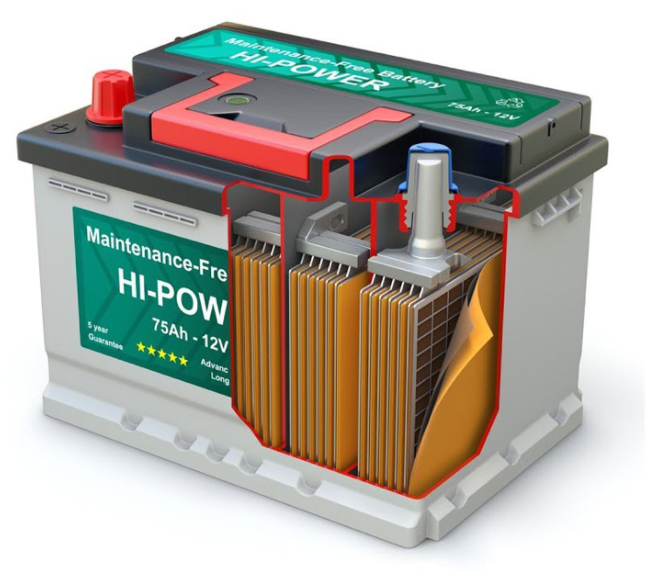
Lithium-Ion Batteries VS Lead-Acid Batteries , Which is Better For Solar System?
When we use solar system to storage energy, there are two main types of batteries that are commonly used among residential users:lithium-ion batteries, which gained popularity in the 1990s. And lead-acid batteries , which has been popular for over 100 years. However, which type of batteries is better for our solar system? Here are some advanteges and disadvanteges for these two types of batteries which may help you to make a better decision.
Lithium-ion batteries
Lithium-ion batteries are widely used for portable electronics and electric vehicles and are becoming more popular in solar system of home users now.
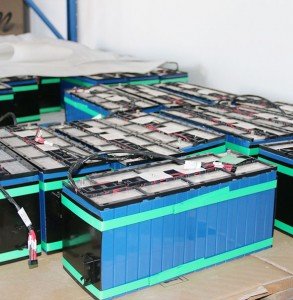
Advantages
- High energy density: The much higher power density offered by lithium ion batteries is a distinct advantage. They will help your solar system store more energy.
- Low maintenance: lithium-ion batteries don’t need periodic discharge , because there is no memory of this type batteries .
- Long cycle life: Lithium-ion batteries can normly use for 10 years, and they have a lower self discharge rate. A research showes that after 15 years use Tesla’s Powerwall could still operate without losing its ability to store and discharge energy.
Disadvantages
- Higher price: Compared to other types ,the price of lithium-ion batteries is a little bite higher.But if you can find a manufactue company ,you also can get a beautiful price.
Lead-Acid Batteries
Lead-acid batteries are the oldest rechargeable battery in existence ,which was Invented in 1859 by a French physician Gaston Planté and still existing in the market.
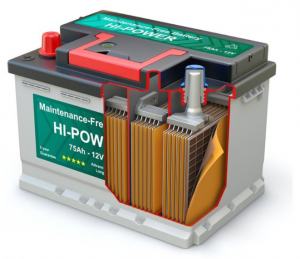
Advantages
- Cheap price:The price of Lead-acid batteries are very cheap becuase its easy to manufacture.
- Mature technology:Lead-acid batteries have a longer history than other type of batteries in market.When used correctly, lead-acid is durable and provides dependable service.
Disadvantages
- Not environmentally friendly: Becuase lead content and electrolyte make the battery environmentally unfriendly.
- Not safe:Hermal runaway can occur if not being properly charged , which may cuase fire.
If you’re looking for a better batteries to storage your solar system energy, the future now is moving toward to lithium-ion batteries if manufeacture factories keep getting better on the technology advances to lower down the price. However, it’s best to talk to a big manufacture company which can provide you a better price and design.
OSM energy company
OSM ENERGY Focusing on the R&D, Manufacturing and pack production of the world most leading lithium motive batteries. Establishing a full industry chin in vehicle and energy storage batteries field to achieve a perfect combination of new energy power generation, storage and consumption under the smart internet managment. providing customers turnkey solutions and stable product service during its whole cycle. For more information please contact us:

TEL:+86-0755-2100 2559
Email: yolin@osmbattery.com Web:Https://osmbattery.com
Lithium-ion vs lead-acid: side-by-side comparison
| Property | Lithium-ion (LiFePO4) | Lead-acid |
|---|---|---|
| Energy density | 90–160 Wh/kg | 30–50 Wh/kg |
| Usable depth of discharge | 80–100% | 50% recommended |
| Cycle life at rated DoD | 3,000–6,000+ cycles | 300–500 cycles |
| Round-trip efficiency | 92–98% | 70–85% |
| Self-discharge per month | 1–3% | 4–15% |
| Maintenance | None | Watering, equalising |
| Weight for the same usable kWh | About 1/3 | Baseline |
Depth of discharge: why usable capacity differs
A nameplate figure is not what you can use. Lead-acid is normally limited to about 50% depth of discharge to avoid sulphation and premature failure, so a 200 Ah lead-acid bank really delivers about 100 Ah. LiFePO4 is routinely cycled to 80–100% DoD without shortening its life, so a 200 Ah lithium bank delivers roughly 160–200 Ah. Comparing nameplate Ah between the two chemistries overstates the lead-acid bank by about 2×.
Cost: upfront price vs cost per delivered kWh
Lead-acid is cheaper to buy and more expensive to own. The table below uses indicative figures — real prices vary with volume and region — but the direction is consistent:
| Metric | LiFePO4 | Lead-acid |
|---|---|---|
| Upfront cost per nameplate kWh | Higher | Lower |
| Effective cost per usable kWh | Closer, once the 50% DoD limit is applied | Roughly 2× the nameplate figure |
| Cost per kWh delivered over life | Typically 0.07–0.12 | Typically 0.20–0.35 |
| Replacement over 10 years | Usually none | Two to three sets |
Once replacements, watering, lower efficiency and the practical DoD limit are included, the lifetime cost of lead-acid usually exceeds LiFePO4 despite the lower sticker price.
Which is better for a solar system?
| Use case | Better fit | Reason |
|---|---|---|
| Daily cycling, solar self-consumption | LiFePO4 | Cycle life and efficiency dominate the economics |
| Whole-home backup, deep discharge | LiFePO4 | 100% DoD usable, no maintenance |
| Occasional, shallow backup only | Lead-acid | Low upfront cost, few cycles used |
| Hot climates | LiFePO4 | Lead-acid life collapses with temperature |
| Weight- or space-constrained installs | LiFePO4 | 3× the energy per kilogram |
For a worked example, see how a 10 kWh LiFePO4 home battery is sized for daily solar cycling.
Are lithium batteries safe for home solar?
LiFePO4 is the safest common lithium chemistry: its olivine cathode is more thermally stable than NMC, and it does not release oxygen as readily under abuse — compare the two in LiFePO4 vs NMC batteries. Paired with a BMS that enforces cell-level voltage, current and temperature limits, LFP is now the default for home storage. The practical safety requirements are correct installation, correct fusing and a BMS that is never bypassed — the same discipline lead-acid needs, minus the hydrogen venting.
Lithium vs lead-acid FAQs
Are lithium-ion batteries better than lead-acid for solar?
For daily-cycling solar, yes. LiFePO4 gives 5–10× the cycle life, near-double usable capacity at the same nameplate rating and no maintenance. Lead-acid still makes sense for occasional shallow backup where the upfront price matters most.
How long do lithium and lead-acid batteries last?
A LiFePO4 solar battery typically lasts 10–15 years of daily cycling; a lead-acid bank in the same duty usually needs replacing every 3–5 years.
Can I replace a lead-acid bank with lithium in the same system?
Usually yes, but the charge profile must be reprogrammed for lithium and any lead-acid equalisation mode disabled. Mixing chemistries in one bank is never acceptable.
Need a quote? Send us your daily consumption and backup requirement and we will size a LiFePO4 solar battery for you — factory-direct, no obligation.

Leave A Comment